
Film School Secrets: What They Actually Teach You vs. Real Set Life | Ep 48

 Apple Podcasts
 Spotify
 RSS Feed
 Two Unemployed Actors — Episode 48: Film School, Grim Scripts, & On-Set Etiquette
Max & Sam welcome two very special guests into the studio: independent filmmakers Jack Alan Keech and Jacob Wood.
In this episode, they pull back the curtain on the real-world transition from film school to low-budget indie sets. They dive into the creative process of writing "grim" stories, the absolute necessity of actor-director chemistry, and why keeping your cast and crew fed is the ultimate indie production secret. Whether you are an actor preparing for your next audition or a filmmaker stepping onto a fast-paced set, this episode is packed with undiluted industry advice.
Key Takeaways from This Episode
- Filmmaking as Therapy: Jacob explains his subconscious attraction to writing "grim" scripts and how digging through the layers of a story can become a form of personal emotional and mental self-discovery.
- The Multitasking Indie Filmmaker: Jack discusses the balance of wearing multiple hats on low-budget sets, acting as a buffer for the director, and why he prefers directing scripts written by a close collaborator.
- The Rehearsal Rule: The guys discuss how skipping rehearsals on their earliest shoots was their biggest downfall. Simple pre-shoot coffee chats and dedicated rehearsal days drastically increase on-set speed and efficiency.
- What Directors Look For: It’s not just about matching the perfect character image in a director's head—it's about whether an actor can take direction, pivot quickly, and be someone the crew actually wants to hang out with during a high-pressure shoot.
- The Golden Rule of Directing: Film sets are entirely a team business. The ultimate lesson for any up-and-coming director? "Don't be a dick."
🎬 Key Topics & Timestamps:
- [00:00] Introduction & Guest Welcome: Max introduces special guests Jack Alan Keach and Jacob Wood, filling in while co-host Sam is at his survival job.
- [01:34] High School Origins: The guests talk about meeting in high school and discovering their early interests in filmmaking.
- [04:17] Film School & Technical Rotation: Jack and Jacob discuss their experience at film school, learning how to rotate across different roles, and how Jacob initially focused on sound design.
- [06:42] The Realities of Low-Budget Film Sets: A conversation on working with limited time, overshooting footage, and managing technical aspects like sound on short film shoots.
- [15:37] Developing Strengths (Writing vs. Directing): Jacob breaks down finding his passion for screenwriting and novel writing, while Jack shares his preference for directing scripts written by other people.
- [18:02] Directing Philosophy & Working with Actors: Jack opens up about how he immerses himself emotionally in a script to better collaborate with actors on set.
- [22:10] Behind the Scenes of "The Taking": The group relives the gruelling, high-temperature shoot for their short film The Taking, highlighting the importance of cramped spaces and excellent production design.
- [26:24] Jacob's Writing Process: Jacob explains his writing method, diving into scripts and books without outlining beforehand to keep the ending a surprise for himself.
- [29:08] Auditioning & Actor Preparation: Advice for actors trying to stand out, the reality of unpaid/low-budget short film budgets, and what directors look for when casting in-person versus self-tapes.
- [37:30] Lessons Learned & The Crucial Importance of Rehearsals: The guests discuss what they would have changed on their earliest shoots, emphasizing how pre-production rehearsals and coffee chats entirely change a project's flow.
Quotes We Loved
"I make a point, and Jack knows I’ve told him a hundred times, that I just finish everything I start. If I know the first few words are absolute drivel, it's still got to be finished. I can fix fifteen pages of crap, but I can't fix a page of nothing."
Jacob Wood
"Never... here's a little lesson: don't be a dick if you're a Director. It's a whole teamwork business. The Director has to work with everyone."
Jack Alan Keech
🔗Connect With Us:
Follow us on Instagram
Follow us on Tik Tok
Episode Website
MAX: 00:12
Welcome back to Two Unemployed Actors. I'm Max and I have with us today two special guests because actually Sam is stuck in his survival job, so he'll be joining us later, maybe. As long as he's got to get fired. Jack, Alan Keach, and Jacob Wood. That's me. Welcome, guys. Thanks for calling. Tell how excited he is to be here. Thanks for calling us special. You know. Normally it's just Fred, so if you're a human, it's special. There we go. So full disclosure, I've worked with you guys a couple of times now. Although it feels like a lot. Feels like a lot more than a couple of times. I think because there's still there's still one more project to come.
JACK: 00:52
Flood and flood and fire. Flood and fire.
MAX: 00:55
Which was postponed because of a fire. Yeah. And then because of a plague. And then because of a plague. So you've got to change the title.
JACK: 01:01
Yeah, well, I was with um I was with the producer the other day, and we were going, maybe we just need to change it to sunny weather and rainbows or something. We'll get it made.
MAX: 01:09
It'll never happen. No.
JACK: 01:11
I won't. No. Yeah, that that's something we're just it's just constantly. It's like you're prodding it. Is it gonna work? Is it gonna not work? And you know, you just gotta wait.
MAX: 01:20
By the time we get there, it'll be the best planned shoot. Oh, because you planned for it three times. It won't go over time at all. So you guys met at film school, am I right? Or yeah? No. No? Where did you meet? Oh, high school. High school. Oh, way back.
JACOB: 01:38
Yeah, what's high school?
MAX: 01:39
Way back. He's obviously blocked that out. It was too traumatic.
JACOB: 01:44
Fred. Even if he found a traumatic traumatic.
MAX: 01:48
It's good. It was high school. Obviously. You're free to admit it now.
JACOB: 01:53
I yeah. The contract's over, that's fine. Um thank you. Thanks, Matt.
MAX: 01:58
Were you both like interested in film then? Did you know like what you wanted to do?
JACOB: 02:02
Well, I mean, kind of. Well, I did at least. Um but I knew I wanted to do something in film from like year two. And I used to make Lego stop motion series. Yeah, it wasn't good.
MAX: 02:14
It's pretty depressing. Well, people are making that for a living. I think they used 600 people in the last um Lego movie. Yeah. Yeah. Across three different continents. So, like for you to do it all on your own in in grade two, that's pretty epic.
JACOB: 02:29
With my mum's can quarter as well. It's pretty Frederick, leave it alone.
MAX: 02:34
Okay, that's pretty cool. So you thought it'd be great if if you could make a living out of it someday.
JACOB: 02:39
Someday, I guess, yeah.
MAX: 02:41
And then when did you both sort of come together and think you could compliment each other on making films?
JACK: 02:45
It would have been like drama in year ten. Yeah, yeah. So like you you were doing a different subject. I lured you in in the second year of drama, and we have there was a few like acting bits and pieces in class. But then but the the final thing that we we're both looking forward to, because I know you liked films and I liked films. We'd done something the year before, I think it was it. Um we won't talk about that one.
JACOB: 03:06
No, that's not in year nine.
JACK: 03:07
No, no, no, even before that.
JACOB: 03:09
Before that, that's um yeah, we built it up. I built it up especially on Facebook, going this is what's happening. I made a poster for it and everything. Even had some friends who do special effects for it. That's pretty cool. Um, yeah, it never happened. No, obviously. Um start somewhere with a dream.
JACK: 03:26
We did one day of filming, finished early, it was hot as last year's from 7-Eleven.
MAX: 03:30
Yeah, you guys are experienced before you got to film school.
JACK: 03:32
There you go. But it was it was at the end, at the end of drama in year 10, they had like a film project. Right. And that I think that was the first thing is you you wrote it. Uh I I didn't actually direct it, but we both started it.
JACOB: 03:44
We were the main people, and that's concerning and on my part. You love being in front of the camera. Yeah. Christ. It's not a good look for anyone, really.
JACK: 03:54
And we did shoddy American accents as well. Oh, that's brilliant.
JACOB: 03:57
Yeah, no, no, it definitely wasn't really bad.
MAX: 03:59
I've got some friends who still do that, but that's okay.
JACOB: 04:01
And I made I wrote the script in a little note document, not even Word. It wasn't even formatted. It can't afford Microsoft in those days. No, not in high school. Not in high school. No. Not now. No.
MAX: 04:14
That's awesome. So when did you so you both you both went to film school together? Yeah. Yes, yeah. I can say with you confident about that. Yeah. Okay. That you're proud. You're making me doubt myself now. I'm like, did you? Or I'm looking at you like we're just gonna say no. What the fuck are you talking about? We don't even know each other. Pull us off the street. Yeah.
JACOB: 04:35
I just found it standard now.
MAX: 04:37
Makes friends everywhere. Just leave him alone for five minutes. Brilliant. So and thanks, Fred. How many, how many, how many films do you have to make in film school? I imagine there's more than a few. Like because they're teaching the craft as you sort of make it, or it's theory and then hands-on, or is it a bit of everything?
JACK: 04:57
It's a little, uh I'd say it's a little bit, it's a little bit of everything. Like we did um like personally, yeah, we made one formage that we were the head-on show of. Yeah. Um the re wrote, director, produced, yada yada. Um, but we worked on we were in groups of what it eight, eight people or something. Your rotate job sound, yeah. Okay. Well, you know, it was meant to rotate.
JACOB: 05:19
Most people rotated. Most people rotated. I rotated really a lot of that stuff. Because I wasn't really good to do anything else. Yeah.
MAX: 05:26
I just he just stood in the corner and rotated. Yeah. Rotated. Just in circles. Yeah, we're meant to rotate. Okay, so I guess some people found their strengths quite early and stuck to that. He he found his strengths pretty early.
JACK: 05:37
Well, I did I did a lot of sound work actually. Okay. Um, because I'd done so important in high well, yeah, in in high school I'd done um uh like theatre production and I did some sound there, so I thought, oh, it's kind of the same process. Yeah. Um and I mean I was I was good at it, but then I I sort of found it I don't know. It wasn't it wasn't what I wanted to do at all. But I think it's a really good thing because I learnt one of the most important things on a film set. And I think that's something you need to do at film school. You can't just go into film school and go, I want to be a director, I want to be a director, I want to be a director.
MAX: 06:10
Doesn't everyone go into film school saying they want to be a director in the world? Exactly.
JACK: 06:12
That's exactly everyone comes in and then they then they fall out. But like that that's what like uh afters and their like master's courses or or AIF, you know, in America. There's specialized courses, like uh uh a film. He talks with his hands, relax. Yeah, when you go to film school, I think you should just learn everything. Okay, have a yeah, and then because then you have a broader range, especially then if you want to be a director or say you want to go producing or somewhere, or maybe you just want to do one of those other roles, you want to be a certain way.
MAX: 06:37
You're gonna appreciate what's involved. Exactly. Because I've worked on a couple of uh I've worked on several student films, but there was a couple where the sound didn't come through at all, like someone was recording it too low or whatever. Like everyone's focused on the setup, and that takes forever, which is fine, it takes a long time because you know you've got the vision, but then that's the idea of getting experience, I suppose, marrying the technical skill with that that that vision you've got for the shot, and it can take a while for the student film. And that's what they're just so focused on that. It's like sound speed, let's go, you know.
JACK: 07:08
Well, especially with like student films and like short films that we're sort of making at the moment, low budget, but going out there, you don't have the money or time to do proper ADR or get any of that stuff, so you just gotta nail it. Yeah, yeah. I mean, you can do the tiny little bits, you know, but like you can't that you don't you know have the money to do a whole whole scenes, whole film and ADR.
MAX: 07:27
So at least hard drives are cheaper than film, so these days you can afford to go, yeah, let's do one more for safety or ten, depending on the talent.
JACOB: 07:34
Thank God for that. But I like having that pressure of like being on set and having to get pretty much all of it there in those two or three days, or whatever how long you shoot for. Yeah, okay. And just having that sort of be it and you edit, and that's what you got.
MAX: 07:46
Do you find do you end up with are you pretty skinny? Like you end up with lots uh with a little bit trimmed, or have you got like so much footage uh to trim down?
JACOB: 07:56
Well, I know from what we've done recently, we normally probably overshoot a little bit. A little bit?
MAX: 08:00
Yeah. Okay. Because you're pretty you're pretty you're pretty organic. Like I've seen your scripts, like they're pretty tight. Like it's not like you've got no you're shooting five different endings or something. We're not there yet. I've definitely thought about it having different endings and stuff, yeah. And just shooting all of it and going, that's it. It doesn't start, it just ends five ways. Oh my god. Welcome to my mind.
JACOB: 08:20
Yeah, just have a post-credit scene.
JACK: 08:22
Um, I don't know. That's good. Yeah, that's solid. You just released five, five, it's five different endings into five different festivals. Let's see where they go. Let's see which one makes it. Creepy. It's creepy, very party.
MAX: 08:34
Actually, lock that one away.
JACK: 08:35
That's a good idea.
MAX: 08:36
Welcome. Um, I think well, I think what you guys are doing is really cool. Like you just sort of you finish the film school and you're just straight into the next shoot and the next shoot and just keep on planning to produce more content. Um, because it's something we talk about a lot on the show, is you can't just sit down and wait for the phone to ring.
Speaker 2: 08:52
Yeah.
MAX: 08:52
You've got to you've got you've got to get out there and keep making opportunities. I know me personally, uh, out of the last three, two were from direct contacts to production companies, um, just reaching out and stuff and then being top of mind when something comes up, presenting to camera or what was the other one, roleplay. You know, it's glamorous stuff. I'm sure De Niro passed on the script before I got it, you know, just like it pays the bills and it's great experience. So that when you do get because there's an up-and-coming actor, you probably get a few shots a year to to do something, you know, really good. Yeah. So you want to be work fit and ready. So knowing about round a set's one thing.
JACK: 09:30
Oh, yeah. There's too so many things to know, and just etiquette and yada yada. I'm just polite to everyone until you know.
MAX: 09:37
Yeah. Yeah, that's why I go. When I was first on set as a teenager, it's like, I'll just shut up and be nice, and yep, that's all I do.
JACOB: 09:45
That's uh, isn't it? That's a very that's a lot of effort. Yeah, it is a lot of effort to be nice, actually. Well, I can stand in the corner and rotate it a little.
MAX: 09:56
Everyone's got a hobby.
JACOB: 09:57
Live in the dark place of my mind.
MAX: 09:59
Yes, yes, yes, your scripts can be quite dark. So the last one that the uh taking, yeah. The taking very grand. Pardon me, I was there, I did read the script. The taking, yes. Uh a bit too early. I don't know about that. You shut up a day early. Well, uh, yeah, I mentioned that on the show, you know. Hey Sam, we've got another embarrassing story. Guess what happened? You wouldn't believe it was just the weirdest conversation. It's Monday. I'm like, yeah, I know it's Monday. No, no, it's Tuesday, isn't it? It's not Tuesday, it's Monday. He's like, no, no, anyway. Fun times Abbott Gostello, it was a long way to go for a laugh, but yeah, especially at my expense. Yeah, yeah. Anyway. It's funny though. Thanks for mentioning it. It's funny. I was saying at the time, it's a bit awkward, isn't it? Only for me though. Yeah.
JACK: 10:39
He called it directly afterwards, and I was like, ah, well, it threw me off as well.
MAX: 10:43
Do you so you came up with the whole the whole thing basically from the first draft to draft?
JACOB: 10:48
Yeah, well, the first draft that I wrote was it was very grim. Really? Although no one saw it. I'm not going into detail about it either. Wow, yeah. So it ended up being what four or five weeks of therapy. Don't need therapy, mate. That's why I write a point. Um, but yeah, it was pretty grim. But the version that we ended up doing, not as grim, a bit more hopeful. Yeah. Still fairly grim. Yeah. I like the word grim. It's pretty flexible.
MAX: 11:16
When when's that coming out, by the way?
JACOB: 11:18
Just as a well, with COVID and everything, it sort of threw everything out a little bit. Yeah. And then I started writing my book, which has just been done the first draft. Grim? Fairly grim. Yeah. Umstraft of a novel, that's huge. Yeah, taking I'm hoping to be at least like very first, cutting everything pretty soon. Okay. So awesome.
MAX: 11:43
I don't like looking at myself when I'm on set and stuff. Like you know, people want to see the rushes and see the playback arts and stuff. I'm like, no, I'll just sit in the corner and rotate.
JACK: 11:54
Yeah, I I like to be super efficient with things. Sometimes I don't like to see a playback. Like if I'm watching the screen already, I'm going, yeah, okay, unless I think there's something else, I just want to go for it. Because I'm working on like one or two day, maybe three or something day shoots, and we've got so much, we're condensing so much, you know. I just want to go back to back and look at it. Yeah, I'll watch them, I'll watch them at the end of the day.
SAM: 12:13
Watching myself like before before I started like performing a lot, like watching yourself. It's always weird, it's like listening to yourself, you know, you sound different. Yeah. I turn away. My mind's a little more generally. No, but like now you get used to it, you know, if you act for a while, like you get used to watching yourself. And I always love watching the play black just because play back because um I don't know, the world looks so much better through the lens of a camera. I think we can all like agree on that. Like even before it's edited and filled it, it just it just yeah.
MAX: 12:45
I think if there's something sort of technical that I'm that we're trying to achieve and it involves you know 20 stages of blocking, then I'll probably look and see, you know, is it is it actually working? Yeah. But other than that, yeah, I tend to avoid it. But uh yeah, I guess you don't have a lot of time when you two-day shoots.
JACK: 13:03
Not generally, no, no, no, no, no, no, I think that's the fun of it. And I think doing like shorter shoots, you learn so much more. You learn how to how to be much more efficient, what you can, yeah, where you can't do what you you kind of get to learn quickly as well what's a good take and what's not a good take. You can't spend you can't do a Stanley Kubrick and do like hours that he takes of someone. Yeah, yeah, you can't do that.
JACOB: 13:24
You just gotta you can for the whole film of the doorknob.
MAX: 13:29
I read I read uh Cohen Brothers on a podcast just recently, actually, and said that um like they're really they're really trim, they don't have much left over, and it's like a couple few takes and they've got the confidence and experience just to move forward, yeah. Um, which talks to that point exactly. You know, you don't need to do 90 takes of someone turning a handle, it's like oh I know what I want to get, but yeah, I'm getting it. Um and I think I think sometimes now that it's all digital, like they because of with the film it was uh expensive, obviously, so it's as as as fast as you can. But um when they went to digital, uh the biggest thing they noticed was actors saying, Can I just do one more? Can I do one more? Can I do one more? Yeah. Just incessantly because they know like it's behind even before the scenes cut while it's rolling. So anyway, that aside. So how does it how does it sort of work? How have you guys fallen in to each other? Have you got a product you've got a production company, haven't you?
JACK: 14:25
Uh not not really at the moment. Just unofficially? Unofficially. Yeah, so unnamed.
JACOB: 14:29
When we we tried before though, we tried to get like a name up and everything. Really?
JACK: 14:33
It just should creativity there. Name that's the thing. Name name thinking is one of the hardest things you can do. Grim productions. Yeah. The M continues though. Yeah, yeah.
JACOB: 14:45
Grim triple M. But like generally, names is something I struggle with regardless of writing or coming up with the production thing. It just names do my head in. So frustrating.
MAX: 14:55
Character names and stuff as well.
JACOB: 14:56
Yeah, everything except Victor. Victor C Victor. Oh yeah, Victor. That's fairly scary, spooky sort of name, someone. Yeah, pretty grim. Pretty grim name. Yeah.
SAM: 15:04
So you guys are out of out of like film school now, right? Did you just like just leave? Was that like recent or when was that?
JACOB: 15:11
2018. End of 2018. Cool.
SAM: 15:15
So you what what you we were just talking about? Like you've got a production company with you two? Unofficially, yeah.
JACOB: 15:19
Unofficial. Unofficial, yeah. Look, the dudes, yeah.
Speaker 2: 15:22
The dudes. The dudes. Unofficial. Unofficially Grim. Unofficially Grim. The dudes, grim uncut. We should take that name first.
MAX: 15:32
Grimm Podcast, unofficially grim. That's cool. So I guess it's great that you sort of fall into that. And I where where do you feel your strengths are? Obviously, Grim writing.
JACOB: 15:45
Yeah. Writing Jacob.
MAX: 15:48
Well, what about directing? Do you like?
JACOB: 15:50
Well, I like directors. What I learned from film school was that very quickly was that directing I didn't think I went there for directing. I thought that's what I wanted to do. Um, didn't work out that way. By halfway through, I was like, this isn't working, at least not for me. But I wanted to start writing. I was writing scripts and scripts and scripts, and I've written a few features by then. And then like halfway through the year, I thought, oh, I could write a book, but I hadn't really read any books. And I thought, oh, read a few books. And then it's very technical this process. It keeps saying it keeps evolving. Um and I thought I'd write a book, so I wrote a book. It's just sort of snowboarding. I felt like writing was definitely my strongest point. But then it came back to directing um with Come Together first. And I felt like that probably wasn't as good as a directing standpoint for me. And then I went to do the taking and eventually that sort of built my confidence up a bit. I don't know. We had conversations about it. Um I wasn't confident at all. I didn't really feel like I had the capability. Right.
MAX: 16:44
But um does it does it help because you've written it or not even.
JACOB: 16:49
Yeah, no, definitely, it definitely helps. Okay. Like I know, Jack, you've said that you you like directing stuff that other people have written. Yeah. Um for me, I don't think that's really I mean it's possible I could do it, but yeah, I feel way more attached to it if I've written it.
MAX: 17:01
So you'd you'd feel you feel more uncomfortable as a director with other people's stuff.
JACOB: 17:05
Yeah, I just feel like I wouldn't know it as well. Um but unless I'm working with the writer directly, maybe it's a different thing.
JACK: 17:10
But and you jack more uh directing and show running sort of Yeah, sort of directing directing more than anything, but uh you know, because you're doing short films and stuff, multiple hats, so I'd do a bit of producing and yeah. Um I sort of touching on what you just said then, Woodsy. Um yeah, definitely like especially a director working with the writer, because I've worked with you so much. I'm probably the most comfortable person I'm I can work with that he'll write something and then I'm instantly there, like director, let's let's go. And it's the same, okay, it's not the same because I just I just said that's a special thing. Um I don't really like something that I've written and then to to to direct. I like I like if I take someone else's work, because I think the one thing I sort of look at, and I've only discovered this over like the COVID breakdowns and all that lockdowns and whatever, is that I really enjoy like you have that sort of subconscious attraction to a script, and then I like to sort of look through it and delve through it as I'm working through it to find out what interested me in the first place because I feel along the way I'm also learning mentally, physically, not not not physically, mentally, emotionally, person personally about myself. And I'm always looking for something, it's almost like making a film as therapy. Yeah, um, and I'm learning and growing more about myself. So taking on a script that I had a subconscious sort of attraction to and interest to, I will delve into and then hopefully, not hopefully, but like while when it's released and everything, I know why I wanted to why I wanted to make it, and then I've learned stuff for myself for the future.
MAX: 18:51
Because you've delved into all the layers of it to try and work out how what how how you were drawn to it in the first place.
JACK: 18:56
Exactly. So you gotta you gotta immerse yourself. Yeah, immerse yourself completely and then discover about the world. Because one of the things I love I love doing is working with actors and you know, working with them as characters and and how they work and everything. And I like to almost do a work to imagine that as a director I'm a person in that world as well, and I like to not become that character as well as as the actor because that's their job, but I like to go halfway. Right.
MAX: 19:28
So you're sensitive to what the character's needs might be and motivations and all that sort of stuff.
JACK: 19:34
Yeah, I I feel it it enhances sort of my ability to direct and and work with. It's great as an actor to hear that. Yeah. You've got the character in mind at that moment in that scene, you know, that's good. Well, I mean I did I did I don't I don't know how much it's worth, but I did drama through year eight to year twelve. I did my HSC and everything, and I I sort of stumbled upon there and knew that I wasn't very good at acting, but I've you know I've I learnt but that experiences obviously experiences.
SAM: 20:05
How much more of a difference it makes when you have a thanks Max have a director that that like understands it from a direct uh actor's point of view as well. Um but also like vice versa. If you have actors that don't get where directors are coming from or don't understand what they're going through, then they're dicks. But like it can work both ways, you know. Like a director, you know, I've worked with both sides of the spectrum, a director who just has no idea and just goes, Can you just like okay, ready? You need a cry. Just go like you know, it's not just that easy. Um, but then on the other side, it's like someone who understands who's studied maybe acting or has tried and then understands, and it's so it's such a better like set environment as well for everyone. Oh it's awesome.
JACK: 20:44
Yeah, yeah, that's true. I think doing that as well creates um it's a it's a connection as well, because uh there's there's obviously there's always a special connection between director and and actor. Yeah, but when you both have that sort of acting experience, you really it really just the bonds bonds even stronger and it'll just make things flow so much easier. Yeah, then it's on.
MAX: 21:06
So having said that, what what is what surprised you when you started to work onset with actors after film school? Like is there something that sort of clicked into gear that you didn't think beforehand, or is that generally when you're auditioning, it's like just gotta make sure that they're prepared and they're fit the role and I think it's I think it's it's a bit of everything.
JACK: 21:27
I I know auditioning for us has been a very challenging. It's it's it's there's there's a few things that have been challenging. Right. But the people that we've found, like we found you, we've found a couple of other people that have been fantastic on the ball. That's good. I know, but I I've got final edits, so it'll just be over 20 minutes of that.
MAX: 21:47
And that's what we're time for.
SAM: 21:50
Um four last year.
JACK: 21:55
Yep, four five uh short films, yeah. I know imagine four. Oh, I'd be over the nice. Um, no, there were four last year. Yeah, four. We snuck in one this year. Very lucky. We got it in like first few days of February. Yeah. And then like that was just yeah, that was the taking.
MAX: 22:16
Yeah, the taking, that was awesome. I did enjoy that shoe. Although I was exhausted after I finished, I was so drained. I was watching Coke that night.
JACOB: 22:25
It didn't help that it was seriously hot. It was that's true.
MAX: 22:28
And I was wearing a blanket. Blanket in bed. Yes. Yeah. I I I yes, that was quite interesting. That's fun. I blocked that bit out a few hundred times.
JACK: 22:37
Other than that, it was fun.
MAX: 22:39
Yeah. That's right, it was intense. But like emotionally, like it was just, yeah, it was foreign. But anyway.
SAM: 22:44
So you say that that you you write mostly and then you direct. But you're both on set. Always. So do you like kind of like co-direct when that happens? Like kind of both together or how it's like.
JACOB: 22:57
No, not really. I mean, at least with the taking, we didn't I was directing that and I'd written it. And yeah, I mean we always offer each other advice and stuff and where to go and if one of us looks particularly lost, which is again just how I look. Um that's yeah, you've just summed it up.
MAX: 23:16
But like no, you got you guys do work well together. I think it's 'cause you just know each other so well that it kind of helps. Like it just you don't really notice on set, it just sort of flows, which is which is good.
JACK: 23:24
Yeah, I think if if because we haven't co-directed the next film we're looking at co-directing, yeah. Um it's basically been like I I'll either be first first assistant director or something, or it it's just having producer on set, essentially. So just as um as Woodsy said, if you get stuck or something just offering a little bit, or just in the other hand, just taking everything off their plate so they can only worry about the actors and the and the camera, because God knows everything can get a little bit crazy sometimes. Yeah, so yeah.
JACOB: 23:53
It got a little crazy at the end of the taking where it was hot, everyone was tired. Yeah, that was a full-on shoot. And like the last few shots became really crazy, and I think you helped just take the pressure off a little bit.
JACK: 24:05
Yeah, it got a little that was a bit of a bit easier than that.
MAX: 24:09
I remember as it got hotter and hotter that day, and the and of course my character's wearing long pants and a blanket, uh just Nelvin Hot Day, and then we were upstairs in that bedroom, which is small space hall crew equipment. Yep. And then oh you just lined at the blanky max, so it was quite it was quite exciting. I remember I remember hiding. I think I had two glasses of water I was hiding from the camera. Yeah, yeah. Just to keep me going. As fast as I could drink it, it was coming up, but yeah, that was pretty intense. But yeah, and there was a there was a couple moments there where it could have gone either way because we were just under the pump of time, and the fact that it was so uncomfortable in that space, but very cramped, it works.
JACK: 24:46
Yeah, it was it was as good to get that in.
JACOB: 24:48
Yeah, and I think the production design there helped at making it feel more that was amazing, like walking in and seeing.
MAX: 24:54
I mean, you'll see it when you we'll link the the film in when we when it arrives. Um but uh yeah, the set decoration was incredible. Just walking in there, it's like, oh yeah, this is where I live. Yep, yeah, dark, grim, very grim, yeah, very grim.
JACK: 25:09
And that's and that's that's all the work of our um production designer. She was fantastic. So always pays, don't do it yourself.
MAX: 25:21
No, no strikes, yeah, stick to them. What's working for you guys? So, what's in the pipeline? You've got uh a few other things where you've you've got a first draft of your novel. Yep.
JACK: 25:30
Um and there's a couple other projects brewing or yeah, well we were we were looking to get um one shot. Like we we've been trying to get this one done for the last few months, but everything's been so crap.
MAX: 25:44
It's really hard to plan anything. It really is.
JACOB: 25:46
Yeah, especially because it's when I wrote it, it's that jump above again. Right. Like there's a few more locations, a few more locations that would require permits. Yeah. And into the real world of filmmaking.
MAX: 26:02
Going through councils for permission and that sort of exciting stuff.
JACOB: 26:05
Now at the moment isn't looking very likely.
JACK: 26:08
Yeah. There were a lot of interior scenes as well. Okay. Yeah, you just don't want crews coming in and it wasn't all those bits of things.
JACOB: 26:15
But that's still that's still there. Yeah. The script's still there. I'd finished writing another script yesterday. That's outside mainly. Yeah. Wow. Which could work.
MAX: 26:24
You just don't stop in your grim world just pumping out stories.
JACOB: 26:28
Well the idea, I finished the first draft of my book, and I thought, well, I'm gonna give that two or three weeks, yeah, let simmer. And I'll sort of forget that I wrote it. Yep. And then I write short stories and scripts, and I was doing that for the past week and a bit. Um I think I've written two scripts in the past week. Um like three short stories. Is that all? And another one, another one tomorrow I'm writing.
MAX: 26:47
So I I did a podcast last week, and that's about all I've done. Yeah.
SAM: 26:53
I like because I tried, I've just like try writing and screenwriting like here and there. Yeah. And I've like haven't finished one thing.
JACOB: 27:03
It's like that becomes the the danger of it all because the the number one thing I give myself is and Jack knows this, I've told him that a hundred times this stuff, with especially what I do, is that I just finish everything I start. Right. But if I know the first few words, I'm like, this is absolutely dribble, but it's got to be finished.
SAM: 27:20
Okay. Mine always start out as like wanting to be short films and then end up 15 pages in and still scene one or something. I'm like, this is gonna end up being a feature film that I'm not gonna finish.
MAX: 27:30
Does it just turn into your character doing a monologue for the whole thing?
SAM: 27:32
It's so I write down yeah, I write down like everything in my head, but in like script form, so it ends up being too long pages-wise, but like really creative, which probably impossible to do as well. Yeah, with the budget. I think actors should just not do anything bad.
JACOB: 27:52
Yeah, but it's a weird one because I don't outline anything that I write, I don't like outlining. Dole straight into it. Um, yeah, it's called like by um writing by the seat of your pants because you're sort of off the cuff. And I always have a really general idea of like I know the characters, I know the beginning definitely, have an idea for the middle, and I have a pretty vague idea of how I wanted to wrap it up.
MAX: 28:13
So you could be towards the end of act one and you still don't know how it's going to Yeah, no, I don't know.
JACOB: 28:18
Wow. That's not fun of it for me. If I knew everything before I started writing it, then what am I writing it for? Right. I already know the ending. Yeah, and that that applies especially when it comes to books. Like I just wrote a 500-page book and I didn't know everything about that at all. Like that's part one, I didn't know how that was gonna end.
MAX: 28:34
See, that's for someone like me who's just so used to reading other people's words, it's like that's so intimidating. Just to start with a blank pitch piece of paper and not have an idea where you're gonna end up. I know it's exciting and that nervous excitement, but yeah, that scares the shit out of me.
JACOB: 28:49
It doesn't always work, but I can fix 15 pages of crap rather than fix one page of nothing.
MAX: 28:56
That's fascinating. That's a really cool approach. That's very brave. Well, it's working for you. So far. So far? Yeah. So far.
Speaker: 29:04
Let's see how it goes.
MAX: 29:06
Yeah. So um what what advice would you have for for actors who are coming into audition for you guys? I mean, we know um when it comes to short films and that it's not this the budget isn't huge. No. By the time you get down the end of the line for an actor.
JACK: 29:22
Like if you if you if you compile the what do you mean, like we uh if you compile the five films that we've made together at the moment, you you might reach $700. Yep. Maybe a bit less. That's lunch. Yeah, yeah. Well, that's the thing. Majority of our money goes towards catering. Yeah, yeah.
MAX: 29:42
It's the main expense. That's awesome.
JACK: 29:45
It's it's either that or just hiring the little bits of equipment that we don't have.
MAX: 29:50
What what what motivated me was um a gap in the show reel. It'd been a while since I've been on set and I've uh stale stuff on the show reel, and I just wanted to go out there and and just stretch my legs in a few different ways. And I think there was that period we went to like five different places and ended up doing five different short films. I think I was doing a character a week for a few weeks, which was pretty intense. But um, but it was great. And then having worked and seeing how tight it was, like what we read on the script was what actually in rehearsal, first of all, there was a rehearsal, which is another good sign, and then it is is close to pretty much identical to what we ended up shooting on the day and and and finishing up with, so like that that was pretty cool, and then I know I can relax knowing that I'm gonna get some good stuff back, yeah. And that was sort of my investment as much as it was for the experience on set as well, like walking in and being prepared, I've got notes all over the script, um, I've got ideas like how to uh play the character in a few different ways. Yep. The first take I would give you what I think you'd want, and then I've practiced it a few different ways, so I'm able to be really flexible in my mind so that when you say do the opposite of wherever it is, whether it's to to get it closer to what you think the character should be or just to see if the actor can take direction, yeah, um, you know, I'm able to sort of go there a bit and maybe you know put a few more things in there. So I think that's kind of something that sort of worked for me. So well, it's obviously we've worked together a couple times, so I guess it has worked. So seeing so I guess my point is um you've got to turn up prepared as an actor. Yeah. As you know, if you you've got to be a part of this project, um, you've got to be 100% committed, and that that starts before you even turn up to the audition, I think. Um you can't just sort of go, well, it's a short film or it's unpaid or whatever, because that's kind of the wrong mindset. Because at the end of the day, you're you're all after the same thing, which is some great content. Exactly.
unknown: 31:50
Yeah.
SAM: 31:50
Have you guys auditioned uh actors through self-tapes yet? We've had a few.
JACOB: 31:55
Yeah, I did one at film school. Oh yeah. Which I probably shouldn't have brought up, I think about it. Um thank you, saved me.
JACK: 32:08
We'll cut that one out. Yeah. I know we've we've done it, we've we've had a few films, we've had a few self-tapes come in. Um we haven't selected anyone off of self-tapes, um, purely be no okay, this isn't really the reason, but like when someone comes in, it's you're able to form that instant connection, see if you can work with them. Yeah, exactly.
SAM: 32:31
If you prefer coming into auditions physically, yeah. Yeah, it's better, and you feel like you're more in front of an audience, like exactly.
JACK: 32:37
Absolutely.
SAM: 32:37
Um you know who you're working with and actually whether it's a yeah, just hold on one moment. Um whether whether it's a whether it's a uh self tape or like coming in in person, do you guys so f the first person in that you see, whether it be the guy who gets the self-tape in like that or whatever it is, do you do you kind of compare everyone to them subconsciously? Do you guys know if you have then a benchmark, like if someone's first in, first serve kind of thing?
JACK: 33:05
Um I haven't had that happen. I think if in my mind you'll probably agree. We before we've come in there, we've like we've created like the the actor and the character in our heads, and you gotta you gotta match them to that. Like you're matching them to someone who's like a mixture of De Niro and all these other little bits and pieces. Um we're just I think the one thing we just look for is can we can they sort of embody sort of the image we've got in our head? Because that's the one thing we're always looking for, but also the big thing that I think and we've been very lucky with the people we've had that have come in to audition for us have been awesome. That's good. Um, and we always look one of the other things is also can you take direction? But yeah, do we can we can we be friends with you afterwards?
MAX: 33:49
That's you're in a you're in a high pressure environment for a couple days, yeah. Yeah, yeah. Can we get on?
SAM: 33:54
Because is someone going to derail or exactly you don't want someone just comes in though as well and they're like really good, or they're or they're like wow that guy you guys are you guys ever like wow that guy did it differently than what we expected or what we had in our head. Um would has that ever happened to you guys? Are you guys quite stuck on like um you know what what sort of character and actor you want? Could someone change your mind? I mean, pretty much.
JACOB: 34:19
Has an actor flipped you? Have you left? I don't know if it's been as dramatic as been like fully flipped, and I've gone, oh my god. Yeah, from rim to amazing. There's a few bits where we've gone, okay, maybe that could work, or right, but I've never once I don't think we've really been yeah like bowled over by another performance and we've gone, oh my god, we'll write I mean by the time it comes to audition, you've been living with the characters for so long, too. Yeah, and yeah, like I know how they look in my head, yeah, as opposed to like as an actual person. Yeah, it's more just a character thing. And yeah, but as for an actor to come in, like I love when actors like you do it as well, when you come in with your own perspective on the character ideas, you write stuff on the script, you go, Well, what do you do this in this situation or that? And I love giving backstory to characters and everything as well.
MAX: 34:59
So because it's great it goes both ways, it's like a job interview, you know. If you you're you're there to ask as much as an actor to ask as much that can help you, a because of the scenario, how what what other work have you done? Um what what it's like it's not coming through the agent, so I mean, no vetting. So, what other work have you done um and what you guys are like? Um, and you know, i I've got a page of the script. Can I have a look at a bit more or talk a bit more about backstory, that sort of thing? Yeah, because that gives me the confidence that when I turn up it's gonna work alright.
JACK: 35:32
I like to look at it when we're doing auditions, break it down to thirds, like one third being them actually auditioning, one third just being a conversation, just who are they, what do they do, and then the other third just about the script. Just really get get to know them. Um, as you said, you're gonna be in a high pressure, high pressure environment. Yeah, yeah. Get to know them, work with them. Exactly. It's it's a whole it's the whole film industry teamwork. Even though people say, Oh, it's all this and that, or people go, Oh, director, though they make the calls, it's complete takes a lot of people. You can't you can't just have a director and that's it. You the director has to work with everyone. Yeah, that's why never here's it. Here's a little lesson. Don't be a dick if you're a director.
MAX: 36:14
Yeah, true. That's a good lesson. I think the only way I can equate it, film, television, like the only way I can equate the experience is is like a television commercial where we've got a day, I want to get the 90, the 60, the 30 seconds, there's lots of moving parts, there's background, there's you know, in full crew, whatever. And we just gotta and then the clients in the other room watching the monitor, and you can hear every bit of feedback. Yeah. It's an actor as well, undiluted before it comes by, you know, it's like that environment with so many moving parts, and you've got like the lights going, I'm not gonna get it ever again. Like, this is the budgets for the day, that's it, let's move. Like, that's kind of the only thing I can sort of equate it to. And having worked on like half a dozen more short films, I I can turn up relaxed, going, Oh, we've got you know, 15 minutes before we need to do the 60 second, and you know, all those words have changed yet again. Okay, that's that's fine, I can roll with that, you know, because I've come out of all these other environments where it's been just as fast-paced and you've got to keep moving, and yeah, it's it's pretty cool. So it's a great experience. I don't know regrets. Except for those couple of films where the sound didn't turn out, but that's you know, it's neither here nor there. It's probably a it's probably a positive, really, in the scheme of things, yeah. Yeah, compared to what it could look like. What what would you have done differently, do you think, if there's a couple of things you could have done could have done differently on those early shoots? What would you go back and tell yourselves?
JACK: 37:39
I I for one I know because I I relive this every night. Oh, you're an overanalyzer? Yeah, I go, Oh, I should have done that so much better. Um in so in film school we had a directing teacher and she told us yeah this way of directing. But I think the way that it was sort of said was like because we're knowing that we're you know, we're kids who haven't had any directing experience or very little, we were then just um oh cool, we'll just stick to that.
MAX: 38:07
That's the only way to make a movie, yeah.
JACK: 38:09
Yeah, and for me, like it and it was and it was about talking to actors and everything. And for me, who I'd had success doing things speaking in my own way, yeah, talking to actors, now be having this new information. I went, Oh my god, I gotta do this. I'll be doing it wrong for so long. Yeah, yeah. And I did that, and it didn't work, it didn't work for me. Like, and so on the first few films I made last year, I decided to change a few things up and I I found I was more comfortable. I wasn't going, um, maybe oh I wasn't umming and Ring a lot. I was um I was able to I think that's where I came from the being able to just go back to talking to an actor as if you are an actor yourself, you are the character yourself. And I'm I still use what what I was taught, I still, but I don't use it as the only thing. It's like you've got a toolbook, you've got it you've got a book of everything, and you just pick and choose what what you think is gonna work because every actor's different. You can't do the same thing for each actor, you've got to change it up and change it up, and that's why I like it's really true. You were a pain in the ass. Which one's more annoying than the other? No, no, no, no. Um, I think one of one of my favorite things is just uh going out to like coffee or something with an actor beforehand, getting to know them personally. Hey, what works for you? Do you have a like do you have something that works better for you from a director? Do you need this? Do you need that? Get to know them a bit more personally. That's great. So then when you get to it, you can go bing bang boom, yeah, bum bum bum, and everything's so more equalized. I'm doing like the soundtracking.
MAX: 39:41
I don't know, we'll have that on boomerang. But uh thumbnail. From from my perspective, it's great because to have like with the interrogation, the whole fight scene scenario as well. Like that that time we spent blocking on rehearsal day was great. So to have the rehearsal, to have the coffee chat where we can talk about what about wardrobe and other things.
unknown: 40:03
Shut up.
MAX: 40:04
It's gonna be so fast. What about wardrobe and that? It helps.
SAM: 40:07
I mean, give me some bra.
MAX: 40:08
You're not fast enough. It helps I don't waste it. Don't we know how to do it? It helps. It helps um because then by the time you get to set, everything's just runs so much smoother. Yeah, I can have the confidence of knowing exactly how it's gonna fly. Yeah, even with because I had a broken shoulder during the interrogation process. Yeah, I had to make myself right-handed and everything. It's like it was crazy. But I'm like, no worries, I can let myself go and just go for it in the scene because I know we've blocked it out so carefully beforehand. So um I think for both ways, the more you can sort of do quality time up front, the more smoother the production, particularly when we only got a day or two.
JACOB: 40:44
Oh, definitely. That was my biggest downfall. With my first two films that I directed, I didn't have any rehearsal. Right. And I learned very, very quickly that it was just a bad idea. Like even when we did rehearsal for the taking, I found way more confident going into that when I knew somewhat what was happening and what I was gonna be able to get.
MAX: 41:02
There's probably only one other short film apart from what I've done with you guys where they've asked for rehearsal day.
JACK: 41:09
Really? Yeah, I won't make a whole thing.
MAX: 41:11
Which is why I'm talking about it so importantly.
JACOB: 41:12
Yeah, I won't make a film unless I have a rehearsal. Yeah, no, definitely do rehearsal. God's sake, let alone a coffee chip.
MAX: 41:18
But yeah, good lord. Probably the actually the worst, which was also one of the good ones, because it was at AFTA's and they were challenged to make a 60-second film uh based on a certain theme. Yeah, and the director uh special effects professional industry, so I knew that was going to work out well in the end post. Um, but wanted more experience at directing. He met me the morning of the shoot, and we had six hours only on set before it was wrapped for the next next lot of people. And it was to make a 60-second film that was building up suspense too, like it was pretty it was pretty intense. But that was the way they'd sort of designed it for all students to like we know you can direct, we know you can do this, we're gonna do that, but let's rank it up to like 11 and just see exactly how well you cope under that pressure, and we can see what really works well for you, what doesn't, yeah, which was quite intense. But look, generally speaking, though, on the norm, yeah, no, it's it's normally you audition. Maybe there's a few script changes that are emailed to you, and then we'll see you on location, and and then I'll try and get there very, very early so I can sort of get myself organized a bit and and and with experience sort of know some of the questions to ask, yeah, and have a phone conversation and I'm going through all that. So in my mind, I'm gonna have my own rehearsal time based on what I've asked and what I know, but yeah, so many. It's like you just turn up. Have you had rehearsal?
SAM: 42:33
Yeah, I think pretty much I'm trying to think back to one where I haven't had a rehearsal. I think pretty much every short film I'm paying up with the wrong crowd. Yeah, has done a rehearsal, but even even so the biggest short film that I did, which was like a five-day shoot in uh Wollongong and the Blue Mountains and stuff. Um so the director, uh Mitch, called me up before I met him and we had to talk about costuming and everything and character stuff just over the phone. And then we had to go down a day earlier to to Wollongong to just have a whole rehearsal, even in the like in the space and stuff. So it was really like that is helpful, kind of yeah. And to also know a little bit about especially because these guys were so there were two of them, um Mitch and Sam and their their friends and their mates and from film school as well. And classic, right? Um and so Mitch directs, and Sam's the cinematographer. So having Sam there during the rehearsals as well, uh, I was able to see where where the camera would be as well. So it was really cool to not just know all that before shooting. At the same time, we jumped straight into the highly emotional scene on the first day, and we kind of had like a quick run through there, but nothing can prepare you for like how you know, once they say action, it's kind of like something comes over you.
MAX: 43:49
It puts it a lot of pressure on you to rehearse yourself. You'll be listening to Unemployed Actors I'm Max. I'm Sam. And uh thank you very much for Jack Alan Keach and Jacob Wood for coming in and talking to us today. Thanks very much. Oh yeah, thanks, guys.
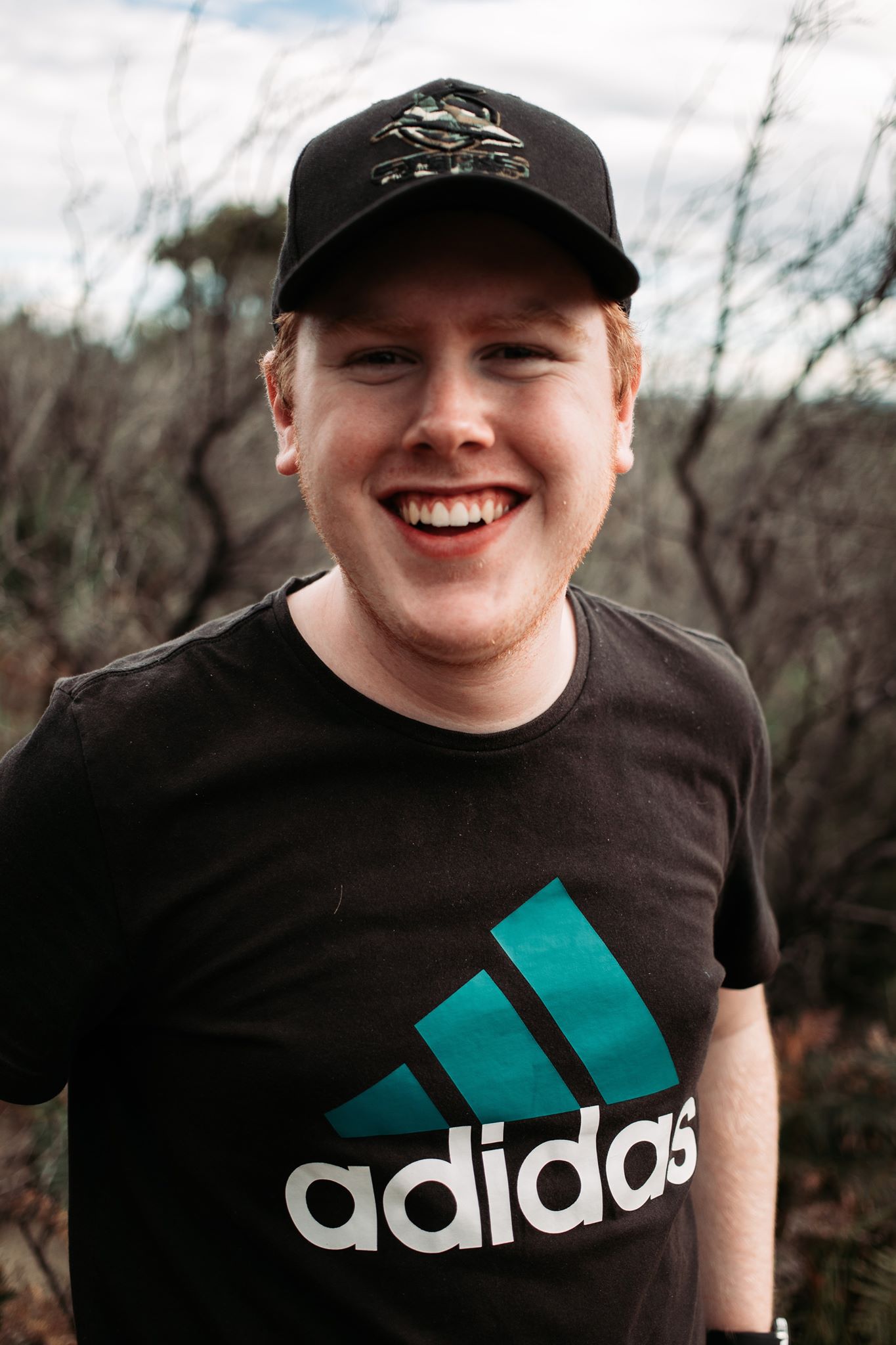
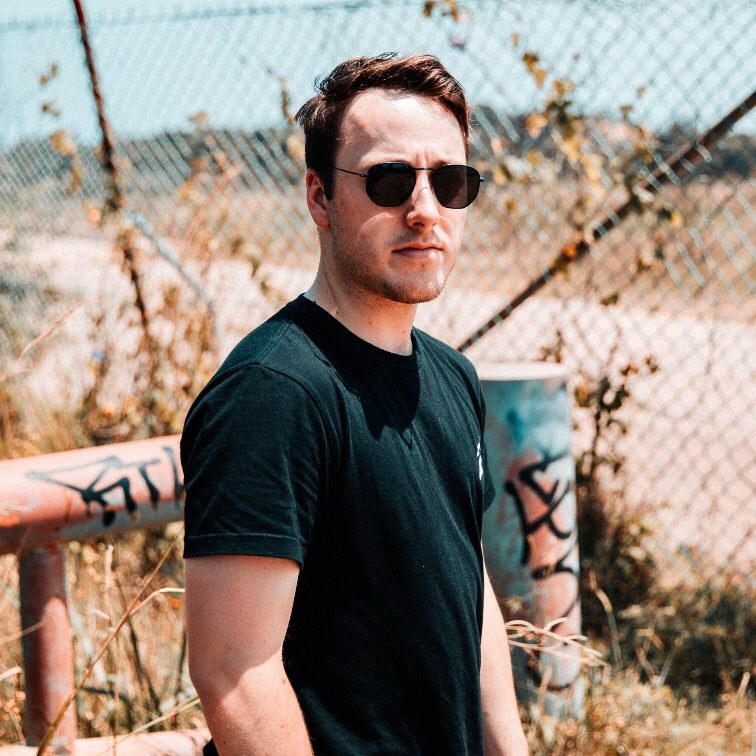
Jacob Wood is a Writer/Director from Sydney, Australia. He studied and graduated from the Academy of Film, Theatre and TV in 2018. He has gone on to write and Direct a short film entitled, 'Come Together'. Also writing three other short films, 'Black Sheep' and 'The Interrogation' & 'The Taking' - in which he wrote and Directed.