
The Biggest Audition Mistakes Actors Make & How to Fix Them with Peter Rasmussen| Ep 110

 Apple Podcasts
 Spotify
 RSS Feed
 Two Unemployed Actors — Episode 110: Inside the Casting Room with Peter Rasmussen
What happens when an Actor's formal training meets the raw reality of the casting room? In this episode, host Max Belmonte sits down with renowned Casting Director and Acting Coach Peter Rasmussen to bridge that exact gap.
📝 Episode Summary
Peter brings a uniquely powerful dual perspective to the show. He began his journey as an Actor, graduating with an Acting degree in 1997, before transitioning behind the camera into casting and coaching. In this deeply authentic chat, Peter opens up about his personal career pivot, the mental health challenges that come with the industry, and the exact mechanics of how a self-tape moves up the ladder from a casting desk to network executives.
Whether you are looking to master the art of subtlety, conquer post-audition anxiety, or get on a Casting Director’s radar without an agent, this masterclass episode is packed with practical, game-changing advice.
⏱️ Timeline & Key Moments
00:00 - Introducing Peter Rasmussen
01:13 - From Actor to Casting Director: Turning a personal pivot into a superpower
02:56 - Let's Talk Mental Health: The brave choice to step back from Acting
05:39 - Pragmatic Coach vs. Empathetic Casting Director: Finding the balance
09:05 - The Biggest Mistake Actors Make in the Audition Room
14:14 - The Art of Subtlety: Stop pushing and find the truth
17:15 - Blending Meisner & Strasberg for the Camera
21:24 - Self-Tapes vs. In-Room: Navigating the control and the chaos
25:23 - Overcoming Imposter Syndrome & Performance Anxiety
29:52 - The Smartest Callback Strategy (And what never to do)
37:57 - The 7 Stages of Selection: How an audition moves up the industry ladder
45:48 - When Hollywood Comes to Town: What major streaming platforms look for in local talent
51:00 - Taking Charge of Your Career: Shifting from passenger to creator
55:20 - How unrepresented actors can break through the noise
01:00:27 - The Best Piece of Post-Audition Advice You'll Ever Hear
💡 Key Takeaways from this Episode
- Focus on the Obstacle, Not the Emotion: The single biggest mistake actors make is trying to "program" or force an emotion into a scene. Instead, treat the other character as an obstacle you need to overcome to achieve an objective. This creates an organic, unpredictable, and compelling performance.
- Stop Pushing for the Camera: You cannot guess what a director or casting director wants. The only variable you control is yourself. Subtlety on camera comes from creating a structure where you can drop the act, stop trying to impress, and bring your authentic truth to the lines.
- Master the "Producer" Mindset for Self-Tapes: Don't let technical setups trap you in analysis paralysis. Streamline your framing, lighting, and audio efficiently as a producer, so that when the camera rolls, your mind is free to play and have fun as an actor.
- The Post-Audition Ritual: Auditions are inherently stressful. To protect your mental fortitude, establish a strict ritual: the moment a tape is sent or you exit the room, completely let it go and immediately do something delicious or rewarding, like meeting a friend or taking a walk.
🔗 Resources & Links Mentioned
- Connect with Peter Rasmussen: https://shorturl.at/6eOnV
- Peter's Studio & Workshops: https://shorturl.at/vT6iI
Enjoyed the show? Don't forget to subscribe to Two Unemployed Actors on your favourite podcast platform, leave us a review, and join the conversation on our official Facebook and Instagram pages!
🔗Connect With Us:
Follow us on Instagram
Follow us on Tik Tok
Episode Website
An Add Kulcha Production
PETER
Casting Directors have way less power than people think, and some casting directors make out. Because what Casting Directors do is summed up in a short sentence... Make the work that you would love to watch. If you don't get to see this, all right. Well, I've got to unveil what you see behind it. I want to see it. I want to see you having fun. I want to see people enjoying working. Because if it's not fun, make it fun. My advice is as soon as you get the audition.
MAX
Today we're going to be talking to someone who has cast across feature films, television commercials, and major television productions, as well as coaching actors. It's casting director and acting coach Peter Rasmussen right here on Two Unemployed Actors.
INTRO
Two Unemployed Actors. Two unemployed actors.
MAX
Peter, hello. Thank you for talking to the Two Unemployed community.
PETER
Oh, that's fantastic to be here. I've been really I've been really looking forward to having our chat. So yeah.
MAX
Well, I think it's a it's it's a great opportunity to well for me to be able to talk to someone who um successfully wears both hats, the casting and the coaching, because I feel like you would have a unique perspective on on that exact moment um an actor's training meets the reality of the casting room, which is really intriguing for me.
PETER
Yes, because I I um I began as an actor and I had a moment when I was working in a casting office, it was my first job down at Movie World, and I had to book all these people to come in and had to work out how to do that. And then the all word came in and they all came in, and someone did their first take, and that was it. And I was standing behind a little camera. The movie world ride had screamed by. The person finished their their take, and suddenly there was this expectant look, and I went, I meant to say something. I now have to direct this person, and that's I think that's when I kind of switched between really switched. I went, okay, I'm now behind the camera, and now I see what the world is. And so, yeah, I always think it's lovely to have been an actor and and having given it up. But and it's funny when when you give up something, people ask you to do it uh on occasion. But now I'm committed to coaching people and casting, and that's the that's the dual hat that I wear, and I really enjoy it. So it's it's great, but it's great to have been there and I know what it's like.
MAX
Because you you graduated, correct me if I'm wrong, you graduated with an acting degree in '97 before jumping into casting with Mora Faye. Was that so? Was that at that at that time you mentioned, or was it from that?
PETER
No, I kicked around to moderate to poor success for some time. Uh uh for until uh oh gosh, 2008, I think it was, since I was uh the I I I gave it a good crack. And it was uh a fantastic journey and I got close to a lot of things. Um the thing I usually save to the uh you know, it's a really vulnerable thing for me, but I I quit because I was I got way too anxious. It's the um it's the mental health access access that went, uh sorry, the mental health part of this that I went, well, unless I manage this, there's no career. Like I had a really amazing agent, um uh uh Sarah Linston still practices now and is kind of technically my agent, and but you know, would only practice. Uh and I was being seen by you know all the all the agents, uh all the casting people, and but uh I kind of went, I think I'm blowing every single one. And so having known what it is to feel in the audition room to work, uh when you know you can do brilliantly. Well, there's my modesty there, but you uh but something's holding you back. I I just realized I had to go get to stop, and I went off and did some more things and ended up in a casting room, and then yeah, Maurife took me on full time.
MAX
It's a it's a brave moment to admit that although you can probably do something if you focus on it and continue to focus on it and work at it, the the impact to your mental health is is is so important. So yeah, that's a that's a that's a big moment. It's obviously worked for you anyway, it's a great path.
PETER
Well, well, yeah, have to accept that you know I think um oh you do all the things where you're fighting to try and it's gotta be this way, it's gotta be that way, and you you have to learn a lot of acceptance and all these things. And it's um I think I've had um being in a support role in in the in my veins, and uh so the coaching part, I just love um what I realize is what I really love is um purveying performance, creating and purveying perform performance. So I just love working with actors and seeing that pop, that change, and working out how to make that work, and and that that is a constant puzzle uh to do that, and then how to then pass to recognize it and work out what works for a role in a production and who work with directors and producers and work for the production, all those things on the other side too, and and that's just just endlessly fascinating. So I feel very, very lucky to be doing that.
MAX
Does being a casting director make you a more pragmatic acting coach, or does being a coach make you a more empathetic casting director, particularly where you've come from?
PETER
I think k I can switch between the good and bad of both. Depending on your mood, you can nudge the bad of everything. Sometimes you're very pragmatic and very pragmatic. Well, you have to be on a job. Like when you're wearing a casting director hat, you have to get the job done. You are part of the production, you're you're being paid by the people producing it, whether it's a commer commercial or not, and you have to get that done. And on the but what is interesting on the casting side that you you're very much aware of the pastoral element of what you're doing, that that were, and and this is what I from an acting perspective, uh, when I was younger, you kind of think, oh, there's so many amazing actors out there, and uh I'm just one of them. I've got to break through. But on the other side, there's this, there's actually the same kind of deficit thinking is that oh, there's no one out there to play the role, and there's not enough people to actually do it. And it's actually true that I that I mean, everyone works so hard to produce great self-tapes and do good auditions and have great work out there that people can see and hire them from that. But um, there are it's there are less people who are doing incredible work that are getting the roles than people think. And it is just this last five to ten percent that if you work hard or work with a good coach or uh you know study and make sure that you are delivering the work that is great, then um there's really a lot one person can do to make it better, and to know that actually there's less uh it's not an ocean of people and then you I um and the thing that I focus on, uh particularly whether it's uh whether it's in class or whether it's whether I'm encouraging people to when they send in their tapes and things, it's make the work that you would love to watch. And that little statement really helps me focus on what um works because having gone into casting, you there's a common thing that we all love to watch. That 90% of us, when we watch it, we love it. Like a lot of people say, Well, I don't like dragon stories, and then they watch Game of Thrones and name it, name it TV show. And and it's because there's this human element, this acting when it's good, is there and we can recognize it in ourselves. So when we're working, I really think it's important for actors to look at what they did honestly, to go what is working, what isn't, and what can I fix, and then shoot it again if it needs fixing every time. And uh more often than not, it's your instinct, what you see, that's all you need, or maybe a trusted friend. And if you can't fix it, learn uh learn how and and that's and that's the development. And it's not as hard as people think. It is all a long game, obviously. It's a uh it's a marathon, but uh to not a sprint, but to find those skills and be able to do that is very attainable.
MAX
I think interestingly too, your your teaching is a blend of of techniques that Chuback, Meisner and and Strasbourg, if I've done my research correctly. And and you you have an opportunity to use your your casting experience to sort of tailor these methods to to what actually does work on on camera. What when you're in the casting room, what's the biggest mistake you see actors make that that can completely sort of kill the reality of the scene?
PETER
There's the there's the big question.
MAX
I know, right? We always focus on the negative as actors, but like what do we do?
PETER
No, no, no, but it is the big question. What is the biggest mistake? And I think I knew this question was coming. And I I was totally prepared. So because it's like, you know, pick your favorite film, but we usually choose a negative that they we see um that the person is facing some kind of problem, and they go, oh well, they're unhappy or upset or whatever, and therefore the scene must be about that. Whereas if you look at it, there's usually something going on that's that's believable. What you're actually doing in the scene is what you're looking for. You're actually looking for um not the quality, the the emotion or the obstacle that the person's facing. You're actually going, well, what in this scene, I actually want this change. I want this to happen. Uh well, just in class we did some cold reading last night, and there it was this uh short scene. Uh a guy comes over and says, uh, oh, are you really hot? Are you here by yourself? And the uh and the the young woman says, uh, actually, that was terrible. Can you go away and try again? When um anybody gives that a go, they go, Well, she's obviously mean, and we think about the times that we've been rejected and how uh unworthy we feel, and then we try and create that person who is kind of mean and uh and and hurtful that that hurt us, because we know what that is to be, we we're more we identify with the uh whether we're playing the woman or not, we identify with the person being rejected. However, but if we go, well, actually, she's teaching him a lesson, because she says, go away, come back, no, no, that didn't work, try again. She does eventually go, no, this is I this is a problem, no, go away. But if you start from going, well, actually, I'm actually really going to help this person, because the while she is saying negatives, I actually want to help you come and approach a person because this as an act of generosity, and you think about it, um, and that's more likely. That's way more likely that you would be doing something to build and help and encourage somebody than going in to attack, uh, degrade, or um uh dispel somebody else or you know, push them away. So, yeah, it's so the big mistake people make is they don't find the thing that they're trying to do to the other person in the scene, that there's an obstacle that they're trying to get over. And that is the core that people usually miss. Because rather they go, there's a quality I need to to to to do, and uh it's angry, it's sad, or it's it's whatever. And that's when you get that problem, which um other people on your podcast have mentioned, that everybody does the same thing. That a lot of people do that same thing. They go, Oh, it's sort of a bit awkward, or it's it's a bit angry, and they use an objective to describe the way they should be performing it, uh, rather than going, Well, what am I actually doing here? Why uh what do I want them, the other person to feel? What am I trying to build in this relationship? How am I making the my life better for myself in some way? And so it's usually the first reaction that people look at. They go, Um, yeah, they're really angry. And so they come in angry. Uh whereas the so usually do that, get it done, and they go, okay, so that's my first one. Let's try to see what other ways we can do it. Well, I'm angry. Well, what am I angry about? I'm angry that they didn't do this. All right, well, I need to make this not happen again, so I'm gonna go in and make sure that they understand that this won't happen again. And uh, all right, so I want you to uh I want you to shape up, and you just come in. This is the change I want you to make, and this is what you need to be to do. And so that becomes a better option. Yeah. So to add to the biggest mistake, my big thing is well, you know how um um people send in more than one take. Yep, yeah, yeah. And um, well actually, funnily enough, I was helping Emily Weir, who's now on Home and Away, with uh an audition for Home and Away. And and I she came in a couple of times of a number of times because we um we we knew each other and I worked with her at QT and helped her with some coaching. And they were asked for one take in one of these auditions, and we said, no, no, we're gonna send two. This is back in the day, in an earlier days, and so we took sent two really different ones, but they were great, but different. Yeah, anyway. The next one that came through like uh a few weeks later, asked for two from Mullinars. I went, aha, did I did I influence that in any way?
MAX
It's so true because sometimes and you focus, you fall into that trap, particularly with self-taping, like you can just tape uh uh do take after take after take after take, and suddenly they all start to look the same, and you realize you're just trying to give them what you think they want. Your students often praise you for teaching the art of subtlety on on camera and knowing what to throw away. How do you coach an actor to stop pushing and trying to impress the casting director and just pull them back to tell the truth? Is that is that your your your method? Like you let them go for the first take and then say, hang on, try it through a different lens.
PETER
Well, yeah, I I think the formula is less of the bad stuff, more of the good stuff. You know how people say big and small pullback, you know, uh all that sort of thing. I actually don't know what those things are. I don't know how to do that. But if there's a thing that um, you know, you're kind of the you know, this is this is a common thing. Like I was reading Lee Strasberg his book the other day, and he says there's five points of tension. It's here, here, here, and I think here, can't remember, I think here, I think it is. You know, you've got to relax those. And so, and that becomes a thing. So, you know, watching yourself back, what is it that you're doing that is um not necessary, that is actually something that you're adding that's uh maybe a habit, or you think it's doing something, one thing, but it's not, so get getting rid of those, and then then just focusing on what um uh what's actually going on. And this is the for you, uh, because in realism, which is what most of us watch, it's there is no character, it's you in the given circumstances. That's it. And if you take that and work from there, you go, well, how can it be me? Well, all these things, um, you know, what would make me do this thing that I would never do, but you know, in under what given circumstances would you do that? And that's that's acting. Um, so uh, I mean, there's lots of techniques. You were talking about technique and looking at a lot of them, and what I delight in techniques is that acting started with Thespus in 2050, uh 2500 BC. Uh apparently there were there was a chorus, he said, Oh, I'll tonight I'll be the characters doing stuff. And he did that for the first time. And you imagine how nervous he would have been, and just working out how you'd you know how be Ajax, you know, swing that uh at least there was no casting director standing in front of him.
MAX
That's something.
PETER
Yeah, well, he just decided. Well, who knows? There could have been a you know, somebody, somebody who there's always a critic somewhere anyway. Um, but um, yeah, he was doing it to impress somebody, but either way, he did it. And but to know that he was the first person to start working this out, and then everybody since then has been trying to work it out. And you know, you've had all different techniques: mask, you know, Comedia Delate, Shakespeare, uh, different uh and uh Stanislasky I think has had the most, has the biggest influence on what we've been doing, and and everyone who draws from that, the the thing that I really like about exploring that is that when you look at the different techniques, you start to see what is common in all. Um, like Meisner will start with um repetition, you know, looking at the other person and their reactions, um, and then later go on to what are the given circumstances and different tools to use that. And Strasberg got people to uh, you know, do big emotions, which you know Chubik loves to do too, which which polarizes people uh amazingly. Um, or Eric Morris, which is the the one I did at uni, which uh I challenged the teacher and said, This doesn't work, and said, Try it my way for a second after 45 minutes of challenging him, and I balled my eyes out and went, but I went, Oh, but I'm still in control and could say the lines, and I was I was a convert for a while.
MAX
But I think that's just it, too. There's there's so many different things you can sort of gravitate to one more than another, and it and it could change what works for you today. Well, might not be working.
PETER
This is what happened is at the time I was I just went, wow, this is this is incredible. Because I was a bit emotionally blown, I was just a character actor. I just loved the Goon show and doing silly voices and Monty Python and uh silly things. And um, then I realized, okay, here's here's a big emotional truth, and I can access it. And but then my first job out of university was school shows, Shakespeare, Bush poetry, short chart, three shows a day, throwing stuff in the back of a of a truck, driving to the next spot, doing it again. There's no room for a moment.
MAX
It was more like the military. That's that's insane, plus also trying to engage that audience.
PETER
That was about fast show is a good show. That and lots of spectacular things, and you learn about comedy and you know, hitting things and the energy between you and the audience, and uh that was fantastic. But what I realized that this just the emotional work from back at uni didn't give me was the um kind of the apparatus of the the world, how to find what is happening in this world in order to kind of then then have the emotional reaction to. Uh, because without it, it just feels it can be empty and can have no response. So I really started to like Uda Hagen as a teacher, who's one of the influences in Chavuk as well. And uh because she sets a really uh safe groundwork for the world of the actor, and any substitution she uses is very, very light. It's kind of like substitution light, it changes behavior, it's not about big emotional change, and uh which feels a bit safer in the classroom. Um uh like I I can do the big emotional stuff if people want to, but I just don't tend to do that. And so all these other influences I've looked at, and you just go, all right, so here's about you know, so you start to realize that they're all connected. You find the facts, you find the your physical space, you find the relationships between you and the other person, you uh images, what you think about. Um then objectives, like why are you speaking to that person? Objectives as a kind of a like that feeling you have, and go, I want to make, I want this first feeling to have between, I want this feeling to happen between me and this other actor or this other person, uh, and action verbs and all these things that are they all really work, and and when people grab onto different parts of them, and uh they can really have massive changes when people work with any of those things. So yeah, I I really like looking at a lot of them, but the key is it's good to teach from one methodology because as soon as you start spreading the the the sit the the the lexicon changes, the words change, and so some some what one person might call an adjustment, which is in Judith Weston, is a substitution, I think, to quote me. But also for another person, it's merely to change something in the direction. And we did that with uh directing course I was teaching at Griffith, and it confused them terribly. So we just stuck to Judith Weston. So yeah, uh, so keeping the the the lexicon the same, the words the same is important to in a teaching sense.
MAX
To to bring it back to auditioning uh uh self-type in particular, uh you because you've run audition and self-type workshops.
PETER
The first thing is is if you forget about what's gonna happen to it, you you and you start with the you and go, all right. I want to produce something, produce, produce something that's gonna be fun or interesting to watch. My take on this script. I I I have no idea what they want, I have no idea what the director wants, and honestly, they don't either. They know what they don't. Want, but they don't know exactly what they want.
MAX
I love that self-taping gives me that total control over the environment. I'm I I'm in the mindset of an actor, but then also I step back and remember I'm producing this. It's it so I I enjoy the fact that I've got the control, but I also hate the fact that I've got the control.
PETER
Well, I did um we did I did an aged care commercial recently, and um it was all in room uh because everyone had to be 70, well, everyone's 75 up. So, you know, getting them to where we were going and and yeah, it was funny having the agency producer and the director and the uh writer there, and they're all going, oh, that's it's such a vibe, you know, it's really fun, and it's kind of this is we should do this all the time. Okay. If you want, vibe with it too.
MAX
I I imagine there's some actors that really love the self-taping and get more nervous being in the room. But um, I look at the end of the day, what when it comes to submitting, I mean, what what are the key elements of a self-tape that that make you say, you know, wow, this person knows how to direct themselves?
PETER
Yeah, there's so there's two things that uh I kind of want to talk about. One is the is the how to be how to create a world that you love to make something interesting, you know, you you're how you make an environment that is conducive to your best work. That's and then you make something um uh that either you're completely proud of or at least happy with. Because the best thing you need to remember is that at minimum, um, apart from can we hear you, can we see you in a self-tape, is this is a flavor of you. You've got to send something in. And if there's some authenticity and some playfulness and there's some element of, hey, this is this is there's something he that that person um that they bring to this moment that is unique to them and interesting. So I think it's really important that it's not about being different, because being different means a, you need to know what is different to what the people are that are casting it want, and then knowing what everyone else is doing, and then be different to that, which is is another impossibility. So the only thing you have to have control over is go, well, what do I think would be awesome? What do I think this would be amazing to do? Um, and part of most acting techniques are not so much about teaching you how to change into different characters, although that that's an important part of acting, but the the first part of is actually going, well, how is is create an apparatus upon which to become yourself and that you are the person in the role. And that is the most different thing anyone could be. And I make this point in class, I just point at everyone, go, well, look around. You're already different. If you can be that, if you can do it in the way that you think is awesome, and go, well, I I I really need to get them to like me in this scene. I really need to take them down a peg. I need I really need to I really need to engage in this way, um, in a way that I think works, because that's all you have. And then you send that off as this little gift. Nervous that they'll like it or not, like any gift, was it the right one? But I put some good thought into it, wrapped it nicely, edited it to, you know, not over much, but you know, uh, didn't put a black slide at the beginning with a name on it, just cut straight to the action. That's my personal preference, um, with it with an ID at the end, you know. Uh, so and and and off you send it. And like all good gifts, you have to divorce yourself from the result, you know, that you don't that you won't get one back. Yeah, with you know, but that it is this act of generosity given your your um so that's a good way to think about it. Now the over the anal analysis paralysis of continual takes, yes, I think do um your preparation quietly and with somebody elsewhere, prep, prep, prep, prep, set up your gear, you know, uh have five boxes on the wall. Each take you do, you tick off a box. When you're done, you're done, and that's you walk out. So that's a way to just deal with the um that's enough. The other way is um when we get into analysis paralysis, usually we're not kind of playing each moment for what it is with this expectation. Um, and that's one of the Uda Hagen things is the fourth exercise is moment-to-moment uh expectation is that uh how do we do something um 200 times and make it look like the first time? So you uh the idea that um in each each each thing you do, you have an expectation as to what the result is, and that a moment is literally you engaging with the intention to do it, you doing it, and then seeing the result. And every moment is that. Every moment has that structure in in some way. That there's the the the checking in with you're about to do it with an expectation, you do it, and then you find the result, uh, and then you see what the result is. Um, usually what happens is that we forget that last we're one of the bits. Um we're all usually no, I say the line there, but maybe we haven't set up that I have the expectation here. But usually the thing is is that um, you know, when people drop on the end of sentences, they do that downward endings, you know, you're trying to drive it through terminal consonants. Um it's if you have the desire to see what happens having said something, that's that third step, you know. Um, so if you uh so if I was to say, did you get that? Do you get that? And there's that bit afterwards where I connect with you. If it's um if I go, do you get that? There's no desire to see the result. It's so the end of a of a statement is is important in that case.
MAX
Actors like we can suffer from imposter syndrome and start doubting our choices, I think. If maybe it's a simply a fear of failure that we carry into the audition process. What what's one fundamental truth about the casting side that you wish every actor understood, which would sort of alleviate that imposter syndrome or performance anxiety?
PETER
Well, well, I mean, if you switch back to that thing where anxiety was my issue, I'm no stranger to it. And and actually uh and how destructive it can be. Um, and I don't think it's simple. I think I think um the because you you think about it, that we're doing the thing we love. We actually get a chance to do it, and uh we get to be creative. We we we we are asked to do the job that we um want to do. And and auditioning is the job. Uh doing doing the getting the job and doing it is kind of like the holiday. Now I get you know, I now I can do it without pressure almost. Well, you know, it does have its pressure, but it's it's it it feels validating, you're kind of freer. But but um creating the mental fortitude um and structures to be able to do it is to to do the job, is this Herculean task that actors endure every day. Creating that sense of childlike play that you you get to is what you need to, you almost need to parent yourself around that, is that you need to create the person who supports that child's play. So I think that's something that I didn't do very well, is that just to create the environment that um I have to create the supports and structures that make me feel secure enough that then when I work I can play. So that's that's whatever. So that's you know, one thing again, very difficult job. It is, you know, it is the uncertainty is is the killer in this job. It's it's incredible. But then, and then but on the same opportunity, you you know, you're you're you're soaring through the universe in with this incredible ambition and goal, and to remember that you are unique, special, extraordinary. Your impulses and thoughts and ideas are are are valid and interesting, they are exciting and unique and specific to all the things that you have that you've experienced and are now able to put into this piece of acting now, and that people want to see it. And if if it helps, I do. I want to see it. I want to see you having fun. I want to see people enjoying working. Um because if it's not fun, make it fun. You you have to. And some of the and that's that's advice for some of the best actors I've known, and certainly the times when I've really done well and enjoyed, is to make it fun. Uh, keeping in mind, you know, that there's a there's a world that you need to be specific to, but the fun of in doing that is really important. At least for me, I think, and certainly I think it has helped a lot of people.
MAX
That's great advice, I think, because it's so easy to get, especially with now the self-tape industry, it it's easy for an actor to get lost in in the technic technicality or the or or their own headspace around the the scene um and forget that hang on a minute, let's stop, let's focus on getting in the right headspace to have some fun with this and it's a good idea.
PETER
Well, well, and and I think but you'll you've hit something very important because I I often put in a survey uh is that all right, all the parts, how long and how much effort do you take to do each part of the self-tape? And one of it is the the learning the lines and shooting it. Then there's what do I do where do I first get it? Uh how do I plan the the audition, uh the the self-tape? When can I shoot it? How how how long does it take to get your self-tape setup done? And what steps can you do to reduce that setup time? Um I uh will reduce uh within you know the costs that you're able to. And it is a huge thing. I found a backdrop that um isn't available in Australia till June. I keep writing, can you do this? It's a it's a standing thing, you put it down and you just lift it up and it's a screen. Right. And it holds its own. Uh and it's like great, it's uh it's not cheap, but the time element of that setup, like I can take it to any space and run an audition but in front of it. And then the getting it off the the uh getting it off the phone or the um recording uh equipment, how do you edit it, how do you upload it. Just doing that so you are just reducing the time, reducing the effort, doing it often so that it becomes something second nature needs to happen so that you can you can uh you can have fun in the moment. Again, you know, that parent, the or the the agent or the manager or you know, your technical crew, because you are that, you know, get them, even if you go, oh, I don't like technology, you you you can do it. You know, just you'll get used to it by doing it. Something that's important to remember uh that in creating it so you uh can make it fun, uh, is that as people watch it up the chain of people who watch an audition, they are looking to connect with you and just see what's fun for you in this. So long as there's something of you, right sending in a self-tape is an incredible calling card because auditioning is uh a way of finding your audience because an actor throughout their lives is finding their audience, you know, any artist is, if you find your audience, and so particularly if people if you get an audition and go, I'm not right for this, it's actually you don't know that, it's just what's written there, but you've been clicked on and sent the thing. Um even if you can't see any reason why that should be the case, and that you won't get the job, it's it's not actually about that. Each audition is a chance to show people your work, and and that's and and building that over time, self-tape by self-tape, is why you do have a casting process because the casting process is you auditioning, and how often is it that people say, Oh wow, I really enjoyed the performance, but totally not right for this one, and then they get the next job.
MAX
I love that, and I think is it true that you know you might see someone and go, Look, not right for this particular job. I I wouldn't put them forward to the client, but but you remember them, and and when something else comes up, you think I know someone who's gonna be perfect.
PETER
And I see it with the um producers I talk to and the directors is that they is you don't get to see this. All right, I'll I've got to unveil what you see behind it. Please. Uh for for the way I've looked at it. But essentially, but looking at the idea is that while you don't see the benefit, if it's just I send it out uh and it's a plus-minus, then you're gonna be disappointed. Anything that you in life that if you want to master it, just repeating it, if you repeat it and just love doing it because you love you you'll master it. If you love it and you repeat it because and you repeat it because you love it, then you will master it in time. If you go, I'm gonna do this because I really want this result, you do it, you don't get the result, who's gonna do that again? Or you might do it again, but it's twice as hard. But if you just keep doing it, and so those going out into the world, those tests, your work, builds your place in a community that unfortunately you don't get to see. And that's the other thing about you know, in person, you do actually get to feel that uh a casting person knows you.
MAX
What what I do get to see is when a casting director I've been in front of before asks me to audition for something else, never go at least that that puts my mind at ease that okay, I'm not mucking something up completely. I I can still do this.
PETER
And that is the goal that you become because one of the great fallacies I think people think about in casting directors, and here's my big point that I kind of wanted to come in and say, is that casting directors have way less power than people think, and some casting directors make out. The way to because what casting directors do is summed up in a short sentence, to find the best options from the pool available. The best options from the pool available. Now, in that, is there to choose the people to be in the film? No. It's it's best options from the pool available. So, yes, the power is in that we will see this number of people because given the brief and the director and all these things, my best assumptions and the and the character brief that's given to me, and my own tastes and flavors, this is who I will uh get to audition and present. And um, and from there, uh it goes up a bit of a cue. And I call it the seven-ish stages of selection, is uh you do the audition, the first one you you make your self-tape and you you watch it back yourself, and that's the first level of approval. And uh you've you look at and go, yeah, or no, let's shoot it again. Then you second level is uh if you're brave enough, show it to somebody else. And uh sometimes that's a trusted friend, coach, or um maybe even your agent if it's a really important job, or or they do that or not. But certainly to second eye, because that can be very helpful to go, all right, I reckon that's good. Um, because certainly uh for big jobs, I'm aware that uh a lot of agents will watch it and go, let's get a great pitch, and they work with the actor to show something great, and if they have time, go back and go, oh, I think it this is good, but we need to have something in this level because I think this is what they want, or this is what I feel it is. Again, we're surmising, everyone is because it's a process for everyone. No one, uh, the casting process, everyone is discovering what the roles are, including the people, because it is governed by who's who's available. Also, it's fluid that it's uh they start to see once it gets performed and what the roles will do and what will happen. Uh we were on the setup of a series uh in Melbourne, and we had a whole day, and they went, We are casting this character completely wrong. And uh this it's our bad. We know it's just isn't it this isn't it? And um, it needs to be this. So the agent looks at it, and the agent and or and the other second person, then we go, yep, we can send it on on to the casting director. So uh then I send those on, and people often ask me, you know, what ones don't you show? If I honestly feel it will be detrimental to the actor to show it, uh, that it is for whatever reason um uh poor work, or you know, if you send something that goes this is really bad, and the actor goes, the director goes, yep, that can damage the person. I'd rather protect the actor and go, let's not send that on. And also their attention spans and you know how much they're ready to see, then but giving the people who've submitted a chance to be seen by usually the director andor producer. So that's stage four and five. So uh director looks at it, makes their decisions. Uh um sometimes it's about the producer as well, because especially for larger roles, this might be an audition for a um a lead role, especially if we've asked, you know, sort of um above the line actors to audition that they are deciding, okay, this is this what we want? Uh is this working? How do we want to proceed? Now we kind of divide depending on the project. So TV, you've got various um stakeholders, producers, writers, um, networks, streamers, uh, and so we go up that. And it goes it can go up so many people. And at this stage, I'm back at number three. We're up to seven, eight people, maybe even more, rooms of them. And it's it's gone. It's all the way up there now. And I'm and you know, I might get a question back uh in the smaller roles, it's just usually a list of people that that go, these are the people we'd like to see. My job a lot of the time is uh, well, for the usually commercials or smaller roles, is to actually brief the actors as best we can to get that great performance, set everyone up for success. So for the ones you're auditioning for, uh yeah, often often casting people have less power than you think because we're not we're not making the final tick.
MAX
Thank you so much for clarifying that process. I know a lot of emerging actors uh you know just imagine that this is the moment and if they make a mistake, it's all over and it's all up to the casting director. The casting director is God and oh my god, and they're already stressed.
PETER
No, and um there's a little thing that I just love but at the same time cringe as I've had people in their ID say hi Peter, and I go, No, not for me. Literally, I'm about to send it to insert name here, and they're gonna watch it.
MAX
If only but uh I think I appreciate that. That's really interesting information. I think if we can touch on the callback for a moment. Oh, yeah, because sometimes actors might panic about whether they should do the exact same thing that was on their tape that that got them that far in the first place, or or bring something entirely new. From your casting experience, what what is the smartest strategy an actor can use in a callback to show that they're directable, but without losing the magic that got them there in the first place?
PETER
That's a great question. And um, the worst thing a casting director can say to an actor is great, just do that again. Because you you go, what did I do? And and the whole time you're performing it, you're trying to, did I did I do that? And we all know that that we want that freedom of play in the moment that we set up the world and we don't want to be kind of acting our homework, we want to be free of it. So that remembering that that's our craft, we want that freedom, but but that got us it. So, what was it about that that did it? So, what we really want to say is be amazing again or do be the that again. So it'll have so because every time you do it is a different time. Um, but if it was about um getting the person to play with you, and that was the fun of it, go in with I'm gonna try and get the To play with me, knowing that once you start, things will happen, but you will try and pursue that one thing throughout. It it will have different moments and so forth, but you'll still have that desire to get that from the other person. And so it should retain the quality of play that that was there, or that you know, you're you're an authority, and you'll you'll okay, so you know, you have to you have to obey me, you have to do the thing I say, these are the things, and having that mindset, it will be different, but at the same time retain that quality. So that's the thing that's controllable, and I think it's working out what is controllable, what is not, and deciding that you will try and make somebody feel something is definitely controllable, but limit it, bring it down to like planned actions throughout is uh uh yeah, because as soon as you plan a moment, you're putting something dead into the scene, you're kind of clocking it off. Yeah, don't uh over plan something because uh in in in terms of actions and uh sorry, in terms of movements and facial expressions, because that that'll then you're kind of treating your body like a puppet, whereas actually you're somebody going in there to do something. So I think that's you and so that you can have the freedom at the beginning of that moment to to dive in and try something brave and extraordinary like last time to to overcome that thing and get that response, and that way you're just focusing on one thing rather than all the things everything because you you have to evaluate which of the things did the thing that got them at, and then yeah, having not not even the footage to look back on to repeat. It's it's it's uh oh, it's it's so much to think about. But if you can bring it back down to one thing like an objective, or if that works for you, then I think that's that's really uh that's really important.
MAX
That's great advice, thank you. And I think and and now having having cast like everything from network television to films, and when when Hollywood or or a major streaming platform come to shoot in Australia, what are they looking for in local talent that might differ from a standard television commercial or Australian, you know, indie feature?
PETER
Well, you know, good American accent. Um, would can you fall a local? Um often people say, can you do an American accent? And oh yeah, kinda. And you kind of go, and I usually pop an episode, the old episode of The Simpsons on, and where they do American, where they do Australian accents. And we just go, ah no, that's terrible. Oh my goodness. Uh, and so that's you know, seeing that America is a big audience and if it is meant to be specific to that world, it needs to suit it. And uh so to find a relaxed, clear um American accent, I think is very important. But likewise, if it is Australian, you know, uh good uh good work. Um often they are much bigger machines, so and uh when it is Americans working here, they uh doing your bit, getting it done, and understanding that you are like a little part of a massive machine, yeah, um, is is interesting. Um I love my Aussie productions because they do feel a bit smaller. They have but the but they're restricted by another thing, which is the usually the pressure of time and you and low budgets, meaning that um you don't have a lot of time to do lots of takes, so your efficiency is is uh needed in another way.
MAX
It's like home and away, you know, you've got two two takes, even for the series regulars, you know. Sorry, moving on, but can I try the no moving on? Uh that's just just another part of it.
PETER
And what a what a great place to learn the fundamentals.
MAX
Yeah, right. It's like a fast moving freight train, and and the crew have worked together for for years, sometimes decades. It's like you just gotta be turn as a as an actor turning up for the a guest part or a 50-word, you've got to be be work fit, be ready and and prepared to jump on board this fast moving freight train. You gotta get it.
PETER
Yeah, because because I did one years ago, and um and yeah, I was meant to be shooting up at the surf club, and I went, no, the light's failing, we have to do it here, buy the car over here. And we had to do a surf uh what a fight moment, and uh lucky I'd done my uh Society of Australian fight directing uh training, and we like it not stunty, but sort of uh just to at least make a a shove and a fall down, you know, look look at least partially convincing.
MAX
And it's such a dangerous place, summer bay. There's always so mine was the exploding food trucks. I mean, it's there's always something uh it's like it's a war zone.
PETER
Terrible. Um and yeah, I kind of went, wow, it just feels so bare bones. And and I think that's one a great thing about Australians generally is is that we manage to do a lot with a little. We we we we are very innovative as as a nation. We love inventing and working out how to do things easily and cheaply, actually. And I think there's some pride to be had in that. We look at uh whereas uh even for instance like John Seal, who um came from Warwick where I grew up, and he would uh when after shooting uh big American films like um oh no, big films like the um uh the English patient and and many other big films that I can't think of now, they have this you know ten thousand dollar or hundred thousand dollar process of changing lighting. It's oh no, I just just switch this and I pop this thing on and it does the same thing. And yeah, oh and so we have a history of that, and I really think that's something that we should take pride in. And um, and places like home in a way produce people who can now identify the the barest bones something, and um so whether it is doing something yourself, like uh shooting little videos on for social media that become uh uh become stories and so forth, like I have an ex-student who's uh who was given my class as a uh as a uh present. Um you can look her up The One Shoe, and she has these um SH SHU The One Shoe and Um Comic Skit after Comic Skit of Silly Things Andreight. And she's also produced uh uh a movie, the first Australian feature film, I think it was, um that was shot in Australia and aired here. Um and all started from oh I'll just film it. Yeah. And and and it's great to see that happen. And she has like a little mini empire now uh after in and to take that on and go, well, if I just do this and this and this, this is all I need to do to then do this. Um if I go back to my first job um the with the um acting uh uh school shows, the particular company was called the College Players, and they started in 1958 at UQ, and they just hand the hat around doing Bush poetry and um um uh Australia, sorry, and Shakespeare. And that sort of underpinned uh the culture of Brisbane professional acting, and but it just started from a place we want to do this, how do we do this? And I think that's the case for everyone.
MAX
Yeah, I think when you think about like a healthy mindset for an independent, you know, working actor that they can adopt to sort of take charge of their career and feel like you know, rather than just waiting for the phone to ring and being a passenger, you're actually moving forward. You've you know, apart from student films or something that's worked for me to help me keep work fit. And um, but yeah, there's plenty of creators moving from uh social media into television and and and you know features. Yeah.
PETER
Uh the I Love LA, what's her name? Um yeah, start a little short form and suddenly becomes long form. Well, um, I usually wave my arms like this to to to kind of help with that mindset thing. Is the on one hand you've got all the things you're auditioning for. You're going in and you're auditioning for it, and you'd like to be a part of something that's already been established by somebody else. And then you've got the other hand I wave, which is the things uh that they're entirely generated by you or you and your friends, or you and whoever, the the silly person we like to make silly things with. And it's more often that this creates a career than that. The the the I'm talking to, I'm making something with a friend of mine, just cause, than being cast in something and going, you know, well famous, although obviously both occur. And I like, for instance, Australian TV, I I love Deadlock uh as a series. Uh just wonderful, you know, terrific humor, shows it's uh got the flavour of the two of the two Kates who wrote it and um and uh as the writers, and is just a wonderful portrait that's so great uh of a really good, it's just a great story, and it's funny, and and it's and it's scary too. And you know, it did really well overseas because it is just a good story. And to know that that came from those two friends, the two Kates, just kind of making silly skits together. You know, well, I I mean that's how I see it. I actually have never talked to them, but I do see it. I know that they they became big doing it.
MAX
Yeah, and we see it time and time again, you know, that possibility. I think it's it's so there's plenty of opportunities for actors to really be proactive about their career.
PETER
And even if you don't think it's going to go anywhere, just do it just to take the pressure off. I will make a funny thing. Learn a poem to say to somebody. Like I learned, uh like I have a bit of a I learnt the um the highwayman, the the old poem to for my my wife who liked little like gothic things for her birthday or something, you know. And I took the time to learn it and memorize it because I'm I've got a terrible memory, but I've and so I I've made all these how to remember lines things to to share. Um so uh so that was something for me, just for me, but what it is, but you have to discover what yours is because ultimately no one succeeds in a big way in this industry without owning some major IP. So writing and creating something, some intellectual property that is yours that you put out there is is kind of the goal. I love that. Uh, and that you know, this is a vehicle to it, or it could take you there. So, you know, like Margo Robbie has her own production company now. Um, but after you know, doing Well Our Neighbours, but then she it so she went there having gone that route. Some people start making their own thing and go that way and so but having something that's yours, however small, you know, just making something I think is vital.
MAX
I love that. That's great advice. Just just get out there and get it done. Don't don't don't wait. Um, I've got some questions before we wrap up, just just from um emerging actors, listeners of the podcast who uh perhaps don't have a lot of industry experience. Some of them are quite interesting. Um, particularly for the independent actors listening who don't currently have an agent pitching them for major projects. How does an unrepresented actor um generally get on your radar for a project you're casting? Do cold emails actually work for you? Is there a better way to kick open the door?
PETER
Um it's really tough to interact with a casting person without an agent. Um the and um it's similar because I uh when I help out students at times, and I'm aware that when they call an agent to ask for an actor, even that the agent just sighs because they go, Well, actually, and now I have to teach you how to interact with me efficiently. Because the reason there's a um agents and casting directors to separate the well, the producers and directors and people making stuff and the pools of actors is to make that process clear and clean, and there's lots to navigate in between. One does have to learn how casting works in order to um get cast. And once you've learned that, um and you can put work out there, I'm sure you can find an agent. So certainly uh the the trifecta of uh a good headshot, you know, find a uh a really good headshot photographer to at least get one of that neutral expression, something going on behind the eyes, that that that um a headshot and and look up photographers who can do that, because there are people who are great photographers, but the an actor's headshot is very specific, and I think it's a you looking at your casual best, um uh, but um with that neutral expression, something going on behind the eyes is at least that uh is important. Uh maybe a nice um selfies where they can see what they look like in a more everyday way. Uh examples of your work, which can be shot, you know, just one of these. And anywhere, just download a script, learn it, shoot it in natural light. You've got something to show. Uh, it's never been easier. And uh then some sort of CV. What people don't often discount is you know their time at school or doing drama, that they were in a musical, that they studied some Commedia Delarte, that they did uh that they like making TikToks on the end or on the weekend with their uh friend um, and uh that's fun. So um, and you send that off and then you follow it up. Also, researching, um sorry, this is a very long chat, and I did actually make a course about this because I take these one-hour sessions, and my wife would would finally said, I'm leaving for a week. You say all that into the computer, and when I'm back, I want it done. Because I just hear you repeating as well. But yeah, it but these are this is important stuff.
MAX
So um it's great for yeah, for particularly for those actors with little industry experience.
PETER
This is really and then you do jump on things like um the on on Star Now, uh, where you where you are auditioning the people doing it as much as they're auditioning you, uh trying to get on good student productions, you know, people who have made stuff that you can see that they are going to, oh there's a very good chance kind of way that they will complete the job, that they're not just giving you a scene promising you the world, but just going down to the park and shooting you in a two-shot with a camera, which is literally the case I've seen before. So finding people who really want to do that and uh auditioning for it. When you get emails like, hi, I'd like to um be an actor, do you have any roles for me? And literally that's all there is. And you go, okay, so you know, um, are there any opportunities going right now? And um, like um, like for instance, I know nothing about you. I I have nothing to go on. I there's a lot to there's a lot to do. So to know that that um is the start, you can see my frustration there. Well, it's just the everyday thing that you kind of go, yeah, why can't it be different? Whereas absolutely it's ordinary that people don't know and they need to learn over time. Over time, learning how uh that process works so that then you can be a part of it. And but the best thing is producing good work because you don't know you don't want to enter the industry selling a product you don't have.
MAX
That's really, really valuable because the next question was you know, if you if an actor's starting from absolutely zero today, you know, no agent, no real, no formal training, and they want to put themselves in a position to audition for a professional role a year from now, what should their priorities be for the next 12 months? I think you've actually just nailed the checklist. Well, priorities be for the next 12 months. I love that.
PETER
Oh, can I make a point that I forgot about with the auditioning thing with it being free and come back to that? Biggest piece of advice, it seems to work because it it eventually worked for me because an audition, what used to be for me, you have the days preparing, it's very stressful. You are well, I would I would make it more stressful than anyone could possibly imagine. Family of warriors. It's it's a it's an impediment until you work out how to use it because your anxiety is actually very useful to once you can put into the work. And you spend all that time and you travel a long way to do it, and you sit and you wait and you do the audition, or you spend all that time producing it, and you've you've you you you don't go to the party because of it, and you've shot it, you've edited, you go, yeah, and that's it done, it's done, and then you send it off, and then silence. And the thing that can come in in that silence are the the negative voices, are the questions, are the is the horror, and and that is agony, like actual physical, it physically hurts. So my advice is is as soon as you get the audition, you kind of or the or the self-tape, you you work out when it's due by or when you can reasonably hand it in, or if you can, and then as soon as you press send, as soon as you exit the audition room, you have planned back at the beginning here, you organize to do something wonderful for yourself. Um a lovely walk, like you know, in in in Sydney, walking along the harbour, I just thought was just gorgeous, or on the cliffs down in um on the coast, or meeting up with a friend, or you know, doing something for somebody else. Doing something that is delicious to you that makes you feel precious and warm and hopeful, and just goes because the message to yourself needs to be this um acting is something I do in my life, it is not my life. It's very important. It is not my life because I have all these things that that fill my world with joy. And and I will go and do one of those things, and I'll make sure that it happens and go and do it. Yeah, when we focus on something, we we give so much to it that we do need to fill it with something else next. So I yeah, that's that's the one of the biggest advice, uh, biggest pieces of advice that I think has actually. That's really good.
MAX
Just to help sort of pull you out of that that headspace that can very well become negative.
PETER
But I think if and so going back to the uh person who's trying to uh who's starting from scratch, yeah, yeah, um first of all, I think you want to highlight what you want to achieve, and it's and it take a bit of a little time to work out what it is you want to do because you may go, I want to be a working actor. Okay, good, all right, that is very true. But I think you need to get more specific and and so that what you're seeing is a little bit more tangible. I want to be the lead in an Australian comedy series, or uh I want to be an international action star in verticals. Um, I want to uh I I I want to be an uh be the the lead in an amazing period something, or uh and it get even more specific than than that, because it you don't actually need to achieve it is the trip here, that you have that this is what you want in your head, that you got this is where it is, uh, given maybe a five-year span. So that you have the and you keep coming back to it so that you go, all right. So in the 12 months I've got, um, one of those things might be, you know, to get an agent. Uh so in that you then go, well, what do I need to do? I need to make sure that I'm producing good work and that I can do it to uh a level and that I can be truthful. Uh so find the class, uh, and these things cost money, so you have to, you know, do the budgets for these things. Um, or you know, you can open books and and and um do it. A lot of people I know people who spent a year watching films and going, how did they do that? And then tried to work out how they did that. And that's that's an interesting way, and uh what every actor should do. And towards the end, you know, the like headshots were between 300 and 700 bucks, depending on what you need. Like if you need a hair do hair and makeup and as well, and how many you need and the photography that you use, it's uh so you have to budget for that. Creating scene libraries is is that is important. Like I have courses literally um about doing that, how you do it at home with a camera and with your with your smartphone and building a really attractive profile on uh say casting networks, showcast altai or uh casting.com or whatever, wherever you want to place them. And uh so that that anybody looking at your work, they can easily absorb your work and go, all right, this is what they are, I like them, with a view that they may eventually search for your work elsewhere, you know, IMDB eventually and so forth. I think a big thing is finding that way to sustain yourself that allows the flexibility to. Do the work, but that won't take you that won't send you, you know, starving into the streets. Yes. Um, and that you call that your survival job. Uh, that's a word you've you've used. Oh, nice to hear it. Yes, familiar with the channel. It kind of frustrates me to say, oh look, I can't do that because I because I've got work. No, it's when you s when you call it, when you call what you call your work becomes that. So you need to call this your work so that it can become that. The acting is work. That you adopt the identity. As soon as you decide to be an actor, you are one. You might be very good, and that's okay. If you're a passionate and you're excited about doing it, that's that's better than anything. You will get good if you keep doing it.
MAX
And I love the idea of being clear on an objective, you know, even writing it down, putting it on the wall, coming back to it. It's so easy to get distracted with all of life's roundabouts, but you know, that's pulling you forward.
PETER
Yes.
MAX
It's uh I think that's fantastic.
PETER
Yeah, you that having a um a direction, and you know, like they say, uh a plane flying to LA is only pointing at LA for you know, um, one more percent of the time or some fraction of it. You know, you are flying around here and you know, taking the current and this way and that way. Uh well, you hopefully will take you to that point, but it but in the direction, it means you'll keep moving, you'll you'll keep doing stuff because the enemy is stagnation, is going, I don't want to do anything, I don't want to put myself out there. Um uh not that it helped an enormous amount with my career, but there was a Brisbane actor called Bill Brown who used to say, Peter, you have to show them. And uh uh I think it was like when you go, but no, you know, I'm good at this and whatever. It's no, you go out there and show them the work because that is it. You know, go, oh well, I'm a bit shy. Well, it's actually the job, you know. People say there's oh, there's so much, you know, they're a teacher or a police person, it's so much, oh, I'm an actor all the time. Yes, there is acting in everything, but only actors are looking to uh sell their work for money, for a career, and so that's its own specific set of challenges, and working out how to do that your way is the is the journey.
MAX
Well, Peter, some fantastic insights into the mind of a casting director and acting coach. Thank you for making the time to talk to me today. I really appreciate it.
PETER
Great, good. Well, um, thank you for having me. I was really excited, and congratulations on the podcast because this is uh look, this is genuinely a really, really good resource, and I really loved listening to it. And so one last compliment is that I I just love the the way that you uh approach this with such vulnerable curiosity, and that that which on behalf of all of us, you know, trying to learn something about what this this uh this world is we're trying to, you know, uh this uh world of acting and performing and being actors, and is uh it's you're just filling in so many blanks for us by exploring it in this way. So thank you. And I I look forward to uh episode 500.
MAX
Thanks, Peter. And don't forget to subscribe, follow, download, and just listen to more episodes. I'm Max Belmonte, and this is Two Unemployed Actors.
OUTRO
Two Unemployed Actors.
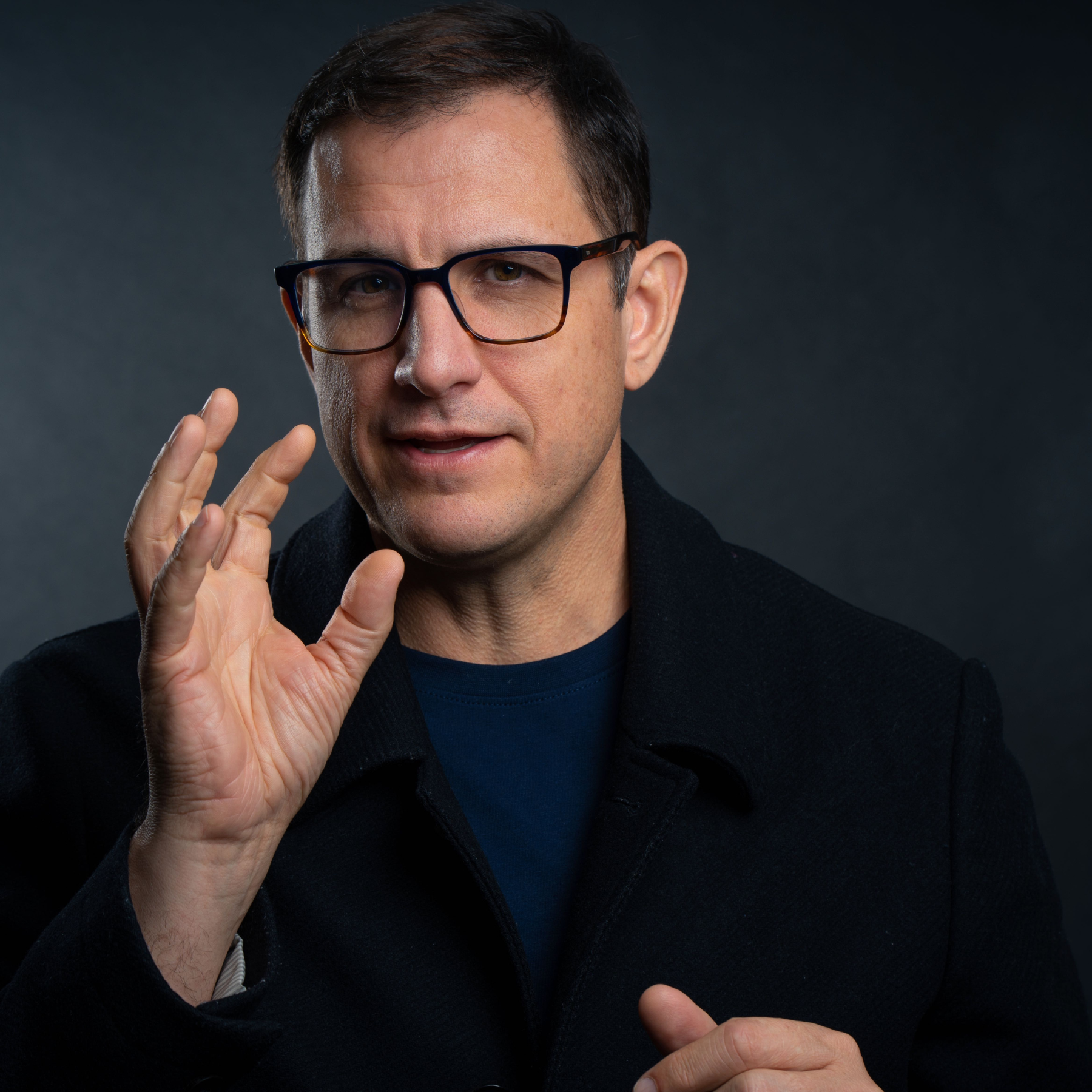
Casting Director/Acting Coach
Founder Peter Rasmussen is a highly respected Casting Director and Acting Coach with over 25 years in the industry, with casting experience across feature films, commercials and major TV productions. He’s known for bringing fresh, authentic casting to every project and for developing actors who stand out on screen.
Peter’s teaching draws on a range of proven acting techniques (including Meisner, Strasberg, Uta Hagen, Chubbuck and Practical Aesthetics) and tailors the work to each actor. The result is training that’s practical, challenging, and supportive — designed to help you deliver the kind of work casting directors love to watch.