The Psychology of Acting: Nerves, Social Media, and Mental Health with Simon Ward | Ep 63

 Apple Podcasts
 Spotify
 RSS Feed
 Episode 63: The Intersection of Acting and Psychology with Simon Ward
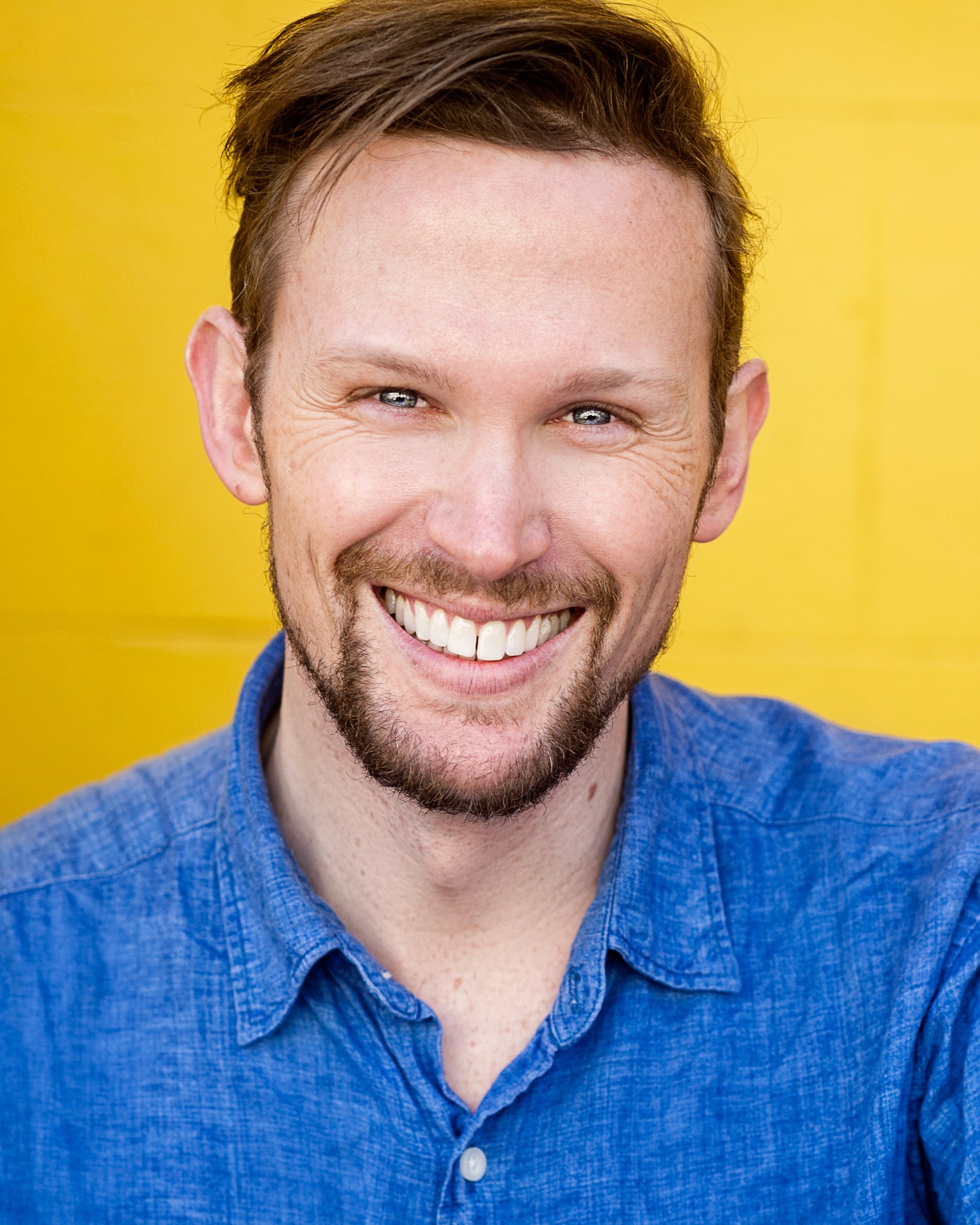
With Sam busy on set, Max Belmonte sits down with actor and registered psychologist Simon Ward. Having trained at the Royal Academy of Music in London while balancing a career in psychology, Simon brings a unique dual perspective to the podcast.
In this episode, Max and Simon unpack the intense psychological landscape of being a modern creative, from the toxic traps of social media algorithms to navigating the striking statistics surrounding mental health in the Australian entertainment industry.
🎬 Key Topics & Timestamps:
• 00:00 – Introduction
• [00:35] Balancing Acting and Psychology Simon discusses his unique background training as a psychologist while simultaneously pursuing acting, exploring whether over-analysing a script or character script can sometimes get in the way of a performance.
• [04:12] The Impact of Social Media on Actors The conversation shifts to the anxieties actors face regarding social media. They discuss self-sabotage, the pressure of maintaining a specific social media persona, and casting trends where having a large following or a set number of contractual promotional posts can impact hiring decisions.
• [13:40] Managing the "Business" vs. the "Art" of Acting They explore the isolating transition from the supportive environment of drama schools to the competitive industry, noting that schools often wait too long to teach the business side of acting. Max highlights how his corporate background helped him treat acting as a business.
• [26:46] Recognizing Mental Health Warning Signs Simon provides advice on when self-care tips aren't enough and how to spot when an actor needs professional help, focusing on identifying behaviours or low moods that remain static despite changing circumstances.
• [31:40] Mental Health Support and Advocacy in the Industry They highlight available mental health resources (such as MEAA, Equity Wellness, and the Actors Wellbeing Collective) and emphasize the ongoing push to incorporate mental health first aid and resilience training directly into drama school curricula.
• [34:51] Mental Health Statistics in the Creative Arts Simon shares startling statistics, noting that mental health and substance abuse issues are roughly seven times higher among creative professionals than the general population, and explains how global initiatives are slowly shifting to protect performers from a Workplace Health and Safety (WHS) perspective.
Industry Resources Mentioned
If you or a fellow creative are navigating a tough time, you don't have to handle it in isolation. Reach out to these industry-specific networks:
- MEAA Wellness Committee & Equity Foundation: Features a dedicated database of psychologists and counsellors who specifically understand the performing arts world.
- ASPAH (Australian Society for Performing Arts Healthcare): Resources and specialists catering directly to the health of performers.
- The Actors’ Wellbeing Collective (Victoria): Offering tailored mental health programs and resources funded specifically for the creative sector.
- Arts Support Helpline: A dedicated helpline providing crisis support for artists and crew members.
🔗Connect With Us:
Follow us on Instagram
Follow us on Tik Tok
Episode Website
MAX: 00:12
Welcome back to two unemployed actors. I'm Max Belmonte and I have with me Simon Ward. So welcome Simon. And also Fred's uh doing his best to be the centre of retention as always. But uh I thought this is a great opportunity to, with Sam being away on set, is actually busy. So I guess it's kind of like one unemployed actor and one on set. Um but your your background is acting as well as being a psychologist.
SIMON: 00:38
Yes, um, yeah, absolutely. I trained as a psychologist and did shows on the at the same time. Right. And then I uh got sort of three-quarters of the way through the psychology training and thought, well, I want to do a bit more of the acting as well. And so I did um a couple of courses at the Actors Centre and a few other places, and then I finished the psych and worked in that for a few years, and then thought, no, I want to do this. So then I went to London to the Royal Academy of Music.
MAX: 01:07
It's a big commitment. Because I mean, you you're you're almost there with a degree, and then you're like, I'm going to move myself across the other side of the world and fully commit.
SIMON: 01:16
Yes. It was a bit mad, but fabulous. Um, and I'm a better psychologist when I'm doing acting, and I'm a better actor when I'm doing public.
MAX: 01:24
Well, I know lots of actors think they're armchair psychologists when it comes to character development script analysis, I'm one, but uh but you know, that's it's an interesting combination, it is. Does it do you think it helps you in a way to sort of get to know a character and develop a character? Does it give you like an inside track?
SIMON: 01:38
A little, I think. Um there's a lot there's a lot of it that can get in the way. Right. Um because there's plenty in psychology that um you take you know one small little part and you can dive into it for about an hour, you know, drop down the vortex of it.
MAX: 01:57
So you can overanalyse and overanalyse and end up walking around in circles and kind of a completely different character, and maybe you need more help as well.
SIMON: 02:03
Exactly. Exactly, exactly. Okay. I have two lines and I have to bring in and say, the carriage is here, my lord, and my 17-page you know, background in my life.
MAX: 02:11
Yeah, yeah. That's interesting. Well, um, okay, that's great. And and so how long ago did you decide to to actually commit more time to psychology? I mean, was that a a another key defining moment for you?
SIMON: 02:24
It was, it was in a sense. I've I always wanted to do both. When I was little, I wanted to be an actor or a Muppet. Yep. And I was very upset when I discovered I wasn't made of felt. And so when I left school, I was like, I need to do something with the people, yeah, because I'm a bit of a people a holic. And so I did all of that, and then doing community theatre and my own cabaret shows and that kind of stuff, short films and things, and then it got to the point where I was trying to squeeze all that in the evenings whilst working in the health department as a psychologist with kids and teenagers. Yeah, and it was too much. I thought, okay, I I want to do this more. This needs to be 70% of my world. Yeah. And so I took a leap and left there and went into private practice and did a few more courses and stuff, and it took a few years to then make a make it work in a way that was helpful.
MAX: 03:14
Okay, okay. That's interesting that you could you're able to recognize it and sort of and have the opportunity of to have a balance between two worlds that you really, really enjoy.
SIMON: 03:22
Yeah, yeah, and it's nice to have a balance. Like the it's uh going in a few other directions at the moment, but yeah, yeah, it's been nice to have a bit of a to to nourish both worlds.
MAX: 03:32
Yeah, yeah. That's interesting. I think for me, and I know Sam and I were talking about it uh late last year, you know, a lot of um a lot of things that we come up with and we find doing workshops and that, like I know uh people get absolutely some some get absolutely, absolutely manically nervous when it comes to auditioning. Yeah. Um, even at the moment when they get the call from the agent, it's like the nerves start there and all the way through. Um for me with my corporate background, I think once you negotiate with the Woolworths, like you know, it's fine. You can walk into a room of terrorists and but uh but when it and and the other thing was also um I know there was a few people in a workshop, and this is this is one thing I was talking to Sam about quite a bit, where they're they sort of said, Oh, I I I'm a bit nervous about posting on social media. And I'm like, Well, what do you mean? She said, Well, I'm really they don't post very often, and there's hardly a photo of them. Yeah, and they rarely promote what they're doing. And the discussion went on, and it was, well, I don't want my friends to think, oh my god, she's still promoting that short film, and I don't want you know, and they're sort of sabotaging themselves in a way because they keep looking through the lens of all these other people and whatever they think, you know, and they don't get to even it doesn't even become a true representation of themselves on social media.
SIMON: 04:54
Yeah.
MAX: 04:55
I I I guess I mean having not being able to grow up with social media kind of helps me, I guess, but but and a bit of corporate background, but uh I don't really care, you know, as long as I sort of be myself. But is that something that's that's cropping up more and more? Um issues relating to social media for actors?
SIMON: 05:12
Yes, so much. Um to the point where a lot of the um anxiety-related stuff that people come in for, um, there's the performance kind of anxiety stuff which you mentioned, but then as part of that, there's a lot of how I am perceived and what my social media persona is, particularly because you have people who are employed by casting directors and producers whose job it is to go through your callback list to see what their social media profile is. Yeah, that's right. Or in when they did Rocky the musical in New York, right? Um you may have missed the artistic height that was Rocky the Musical. Um but in-the-punch to the beat and that ice was it sort of dance choreography, fight choreography?
MAX: 06:02
It was look the clip size, it's yeah.
SIMON: 06:05
I hope so. I hope it was. The but one of the features in the audition was you had to have a certain number of followers.
MAX: 06:12
Interesting.
SIMON: 06:12
In order to get an audition.
MAX: 06:14
Wow. Yeah. Was it a relatively high number?
SIMON: 06:16
I mean it was about 10,000 or something, so pretty high.
MAX: 06:19
Yeah. It's interesting. Now, I I know it it it can become a factor. Uh the question's been put to a few casting directors I've I've I've had Q ⁇ A's with um over the year, they've been a bit more accessible now when everyone can just zoom with each other and there was a a slight lull early last year. Sometimes there's an element from the client and the brief that look, you know, they've got an idea of who the main cast might be already and try and push them. But then when it comes to supporting, if you've got two actors neck and neck and they could both play the role, you love them both, if one's bringing an audience with them, it's massive.
SIMON: 06:55
Yes, huge, absolutely huge. And there some contracts I know now, or from what I've heard, they're putting in a requirement for the number of posts you have to put about the show, about the project or the rehearsals during you have to do a certain number a week, and then you have to yeah, and you can't show any sets. So you put a photo of you with a coffee outside the rehearsal room with your highlighters and you go first day, that kind of stuff. And that but it's a requirement of the job. Right. And so there's already there's pressure about how you're perceived anyway. So you add on all of that stuff, yeah. Yeah, I don't think it's particularly helpful, but I think we're stuck with it.
MAX: 07:38
Yeah, no, that's right. It's learning to live with it. Um, and to a to a certain extent, I mean, I had to sort of educate myself real quick with social media because you know it's only been a few years for me. And and in my mind, it's just work. Um, managing my personal social media, the two unemployed actors, social media. So it's like, you know, and I kind of have a loose social media strategy, you know, post an Insta a day if I can, you know, if there's nothing decent to post, I'm not gonna force, you know, the the the cup of tea I've got or something. Uh and and generally too around projects and that. And I do ask when I'm on set, even some of the corporate gigs. Like I did one with wine a couple of weeks ago, and I'm like, do you mind if I take a few photos of social media? No, that's fine. He's help me take photos, blah blah blah. And I sort of load up, you know, so I've got a few in the bank, and then I can spread them out, you know, max on set every other day. You know, fake it until you make it.
SIMON 3: 08:26
Yeah.
MAX: 08:27
Um, because you're right, and actors do know now that people are Googling them, and it's so easy to find my mum doesn't follow, she doesn't have social media, but she knows what I'm doing because she just googles my name and there's my tweet or my Instagram. I also have to be careful of what I think. That's a different conversation. That's another one, yes. But um, but yeah, I mean, what sort of is there any sort of advice you can give? I I know general advice um about how actors can sort of push through that and focus on on not sort of worrying so much about what everyone else is thinking. Because if you do that, you'd never post anything.
SIMON: 09:02
No, absolutely. You you wouldn't. You'd be sitting in the cupboard under the stairs hoping to become a wizard. Yeah. I think that it's the thing you mentioned before, which is see it as a job. Yeah. Because and there are a few you know social media strategies and things to do and how to when to post, and there are apps that help you and stuff, but the most important thing is see it as a job, not as a reflection of you. Yeah, yeah. Because otherwise, if if that gets blurred, um instantly there are always for every one thing that someone likes, there are now there are another 10 people that won't like it.
MAX: 09:39
Yeah, yeah. Yeah, no, that's right. I think um, you know, I came to that, I I became aware of that moment uh as a teenager on radio. It's like I know that no matter what I do, I'm never gonna make everyone happy all of the time.
SIMON: 09:53
Yeah.
MAX: 09:54
So I'm gonna be moved, motivated by what's fun, and that's gonna help put more energy into everything and the shows I was doing and everything. And um, you know, obviously the positive stuff's nice. Um, and I think that that kind of mindset helped when social media became a thing and now a part of the job. It makes and I know some actors too, they might have the actor Instagram, for example, and their personal private Instagram, which go personally, because I do view it all as work as too much work. I've got enough profiles for that. So I'm sort of just focusing on being me and my personality coming through. Yes, because there's only one of me, and and but being mindful that it's gotta be okay for everyone to see who's might be a casting director or whatever. So that little quality control filter.
SIMON: 10:44
Yes. And for the for the younger people, yeah, um, I include us in that, obviously. Yeah, but the the ones sort of for others, uh for others, the ones sort of training at training schools and stuff now, yes, um, the concept that you need a bit of a filter in here before you put it out there, because part of the growing up with social media as a social media native as opposed to us who had who came to it, um, is that you put everything out. There is no filter, you just chuck everything out there as fast as possible. And um so that uh people th think they know you even though they've never met you because they've seen 17 posts in a day, or they've seen a story, or they've seen a and the the idea one of the tricky things that uh when I do teaching, uh one of the things that we talk about is okay, what do you do you need to do for your own social media self and your own nourishment? What do you need to take down to start? Go back to the post that you put up when you were 14. Yeah. Does it need to be up there because you're about to walk into a room as a 24-year-old or whatever, and there they will have looked at it. Yeah, yeah. So I think that's um it's a different way of thinking about this thing that has become part of developing your own identity. Yeah. And that's that's a tricky thing. If you ask people to um, particularly teenagers, you say, okay, turn your phones off as an actually power down your phone.
MAX: 12:17
I can almost see their hands shaking.
SIMON: 12:19
Yeah, yeah. You get an anxiety spike.
unknown: 12:22
Wow.
MAX: 12:23
Because really you're you're in order to help them, you're fighting against the algorithms that are designed to do the opposite.
SIMON: 12:29
Oh, absolutely. They got rid of the function on Instagram that tells you how many likes, the amount of likes. Yeah, but they need to get rid of liking. Yeah. Just get rid of it. Use it, view it like people used to use postcards. You go on a trip, you send a postcard back home and it goes on the fridge.
MAX: 12:45
Because it can be quite addictive, because even me so far removed from you know falling in love with social, it's still it, you know, it the the the early days I was like, oh, how many likes did I get? Oh, how many likes did I get? How many likes did I get? Until I couldn't be bothered, which didn't take long, mind you. But still I remember that moment. How many likes, how many likes, and it feels addictive.
SIMON: 13:04
Yeah, yeah, you get a little serotonin here, and it's addictive. It it truly is addictive. And so um what would be really, really good is if Facebook and Instagram and all the ones with a like function or a comment. So you you could put comments, but you can't put a reaction or an emoji reaction. Like get rid of those. And people would find it weird, but it would be so much better for collective mental health.
MAX: 13:27
Yeah, yeah. That's that's fascinating, it's really interesting. Okay, well, what are there sort of common themes uh that actors are coming to you or or talking to you about that um keep cup keep cropping up the time and again?
SIMON: 13:42
There are a few. One of the I guess the two main groups, one is the my life stuff, and another one is my work stuff. So, but within that, um things like how do I manage relationships, um, uh how do I manage finances, how do I manage the um I mean you've already mentioned this, that the the huge mantle kind of Rubik's Cube that is going from a world of training and having all your buddies around you into the big wide world where nobody's gonna do anything for you. And the you might meet one casting director in a week and that's all you who that's who you see.
MAX: 14:26
From living and breathing you know, the art to in the big wide world where you're another number.
SIMON: 14:32
Yeah, absolutely. Absolutely. And that's such a huge and I really don't think training schools handle that. Some of them are trying to now, but it's such a massive thing.
MAX: 14:46
And it just depends on the type of person, too, doesn't it? I mean, you could you could prepare them as best you can, but some are perhaps more vulnerable than others. And it's not necessarily those who are greater artists or anything, it's the the the sense of they're okay as a self, because you mentioned you know there's you know Max in general and Max the actor. Yeah. And I get the impression that it's harder to function it would be harder to function as Max the actor if I'm not as healthy as Max the person.
SIMON: 15:16
Yes, absolutely. And when you think about it, you know, all of the training courses it's about um well, depending on which model you train in, I guess, it's about um either I am the actor, and there is no delineation between my personal identity and my professional identity. Yeah. Um there are some courses like uh Dean Carey's uh stuff at the Actors Center where it's very different. You develop a one of his things is you develop a professional persona. Okay. So you send that out into the foyer or or into to view the rushes or whatever. Um and then you save you up for there's an old phrase called save it for the car. Right. Where if you see a show and it's terrible, yeah, okay, yeah, and apart from coming out and saying, Well, the lighting was great.
MAX: 16:03
Yes, the the colour of paint on the set was amazing. Yeah, you were enthusiastic, that kind of stuff. You were enthusiastic, oh god. And you save it for the car. No, okay.
SIMON: 16:13
So the they meant it with you, it's fine. But the so that that's really tricky, and when you're particularly when you're feeling um if there's some depression hanging around or there's some um low kind of low self-worth or some trauma stuff, it's gonna get activated. Yeah. Um, and so tra in in one sense you're training for another role, and it's a persona, and lots of people you hear act is talk about when they go on chat shows and stuff, and they're they're them, but they're a performed version of them.
MAX: 16:46
Yeah, um, and it's not you over the cornflakes and you know, whether it's slightly more reserved or even a bit more heightened in their performance on and you call it a performance as I do on on a chat show. I think that's that's really interesting. Um, I know certainly for me with my uh zingers, I probably would want to have uh a filter, definitely a strong filter, uh, and a lens to then uh go through before it uh before everything comes pouring out. Yes. Um but yeah, and I and I like having that look I and I love the craft, but it's it's work, it's a job, and I think my business background helps me look at it that way. So in inside of me is a little CFO, and you know, there's a there's a marketer, as much as I hate to admit it. Um and and and the sales guy who's reaching out and you know, business cards, and I need this, I need that, you know. And what I when I've updated all my profiles and all this sort of all the all the all the boring stuff behind the scenes that actors hate to do. Um but I think it just it's helped me, and I know that probably won't work for everyone, but it's helped me to look at it as a business and appreciate it as a business, I think.
SIMON: 17:58
Yeah, absolutely. And it's interesting you say talk about the corporate thing, because there's a couple of um courses in there, they normally leave it to sort of the end of the last year of the acting training course where they bring people in and they talk about okay, what's the business of acting and stuff? And everyone goes, What? You've just I spent the last two and a half years saying I am Hamlet and or whatever, and now you're telling me that I have to think about business cards and that and I think having a more strategic corporate style approach to that, yeah, um, I think would be is so much help, so much the business of acting, so to speak.
MAX: 18:34
Yeah, because I I had apart from a heavy dose of imposter syndrome, because I I'd never taken it seriously when I was on the I was on the Gold Coast uh as a teenager and I was on radio at night, and then I'd go on set to you know flip whatever it was as a featured extra because I wasn't taking it that seriously. I hadn't done any training, and then I switched agents and like, oh my god, you know, this workshop, this course, even if you don't agree with us, you must go and do this job because it's for your development, blah blah blah. Yeah, and then um corporate offered me full time and I went that way. Um, much to the horror of the agent. She couldn't believe it, like, you're going to sell biscuits in cans? What don't you know who we are? You know, that sounds a good title for a cab ratio.
SIMON: 19:14
I sold biscuits in cans. That's a great title.
MAX: 19:17
Oh, bums on seats for that one. Absolutely. Um, but um, and that was quite interesting. But but I think coming back 20 years of hiding your emotions in the corporate world, uh, then all of a sudden, boom, I'm here. And I had an acting coach in Pip Ed Woods, um, who I'd seen on stage and on television, and then she recommended a workshop with Anthony Brandon Wong, and so I went with Anthony Brandon Wong, again, another busy actor. Um, and he was great at creating this safe environment where the half dozen of us could really push, we turn up prepared, thinking I've got everything sorted, and then to be pushed out of your comfort zone in a safe way that much further was really awake, really uh it was like my moment, you know. It was uh it was amazing for me, and that's when I thought, okay, this is definitely what I want to do. There's no more imposter syndrome, let's get into it.
SIMON: 20:09
Yeah, nice.
MAX: 20:10
But it was an interesting first four months because I remember saying to the agent, no, no, I don't want to do acting stuff just yet, just some extra work, just three or four extra jobs, you know, just to make sure because that's how much of an imposter syndrome I had. I recognised what was going on, and I was calling it at the time Max with the imposter syndrome. I mean, yeah, and I think that self-awareness helped. Yeah. Um, because I'm like, you're an idiot, you know, you're enjoying it, so let's, you know, kick on. Um, and it wasn't in a in a in a frame of mind where I was sort of self-sabotaging.
SIMON: 20:41
Yes.
MAX: 20:41
And I and I still now when I I don't do many workshops, but when I feel myself getting a bit comfortable, um, then I'll I'll I'll use it to sort of kick myself out of the comfort zone, so to speak. When I find myself getting into routines and things. There are those that probably feel safer in those workshop type environments because it's so close to how they studied and you know it's more uh affirmation for what they're doing uh positively and all that. And I think you know, it's just everything else sometimes like because you are on your own, you can feel like you're on your own.
SIMON 3: 21:10
Yeah.
MAX: 21:11
It must be hard for you sometimes when you're consistently talking to people who feel like they're on their own are the only ones going through this crisis moment.
SIMON: 21:20
Yeah, yeah, absolutely. And I think the there is a lot of isolation and a lot of feeling of oh well uh I must be the only person because I see all my friends doing this or doing this gig or they got this and the friends getting work. Yeah, which again is the danger of the social media stuff because in the old days you saw you didn't know who was doing what until the cast list went up or until the ad came out. Yeah, and that's when you found out and went, Oh yeah, I saw you I saw you in KFC. Oh, that was bad. And you know, or you phoned somewhere and the Commonwealth Bank voiceover was your friend, yeah. And um so now there's this extra I'm feeling isolated. Oh, and I'm also not doing what I should be doing. Yeah. Should rabbit ears around that. Um, so what does that mean for me and what am I? And so imposter syndrome kind of jumps up and down on your head and goes to town with that stuff. Yeah. But I th and I think much more, I mean, at least it's talked about more now than it was. There's still a need on on sets with production companies and training schools to have the conversations, to have people to talk about it, to have someone on call. Yeah. Um there's been a lot of really great work in the um intimacy field with the so everyone gets the on the first day on set, you get the talk about um safe behaviours and sexual assault and all of that kind of stuff. And we just need to add the mental health stuff to it.
MAX: 22:51
Yeah, yeah.
SIMON: 22:52
And um other countries are doing that. We're a little bit behind in Australia. That's interesting.
MAX: 22:58
But because I feel like in the in the wider population, as in non-actors, uh it's more it's it's it's more talked about these days than ever before. Absolutely.
SIMON: 23:09
Uh mental health in general and in the workplace and oh absolutely, and it's interestingly corporate is something that the corporate world dealt with about 15 years ago, 20 years ago. Yeah. And when all of a sudden you had all these corporate psychologists leap in and it went from being the personnel department to HR to well-being to and so you would send all of your middle managers off to the Hunter Valley for a three-day retreat thing. And yeah. And so it's but that still has to hasn't yet quite filtered in because there's still this stigma from what people tell me and from what I've seen is if you're a performer, you're expected to show up and do. Yeah. Regardless. Yep. And there is still this idea that says, well, you're supposed to be on set at 6 a.m. Yeah. And it doesn't matter what the rest of you're feeling like, you've got to be able to do that.
MAX: 24:01
You have to drag yourself across broken glass and just get there.
SIMON: 24:03
Absolutely. And it's still the only profession left on earth really where you have to do that. Everyone else would go, oh, okay, you're not up for it. Okay, sure, I'm not up for it. So that's still a massive sticking point because the model of work is at least 20 years behind where we're at now.
MAX: 24:24
I that I think. And I and I guess, and I am just guessing, that perhaps with the COVID issue, you know, the the this global pandemic that that's happening, um, the bloody plague, uh, that that brings along, you know, perhaps more isolation for an artist, for an actor. And uh look, we've been lucky in Australia and there's there's quite a bit of work around and the and the corporates are still spending money. Um, but uh, you know, for those actors that aren't as resilient, and perhaps you know you've got financial issues as well, and gosh, even crew, you know, you're project to project, you you hardly qualify for any of the support that's out there financially. Um, you know, what advice would you give to those people who are really sort of internalizing it as we do as artists and mulling over it?
SIMON: 25:12
You're not not alone, you're not alone to camera, and there are at least another seven people going through what you went through today, and that there are um people you can talk to, ways to reach out. Also, no, you're not weird and crazy because it's a weird and crazy profession.
MAX: 25:31
Yeah, right.
SIMON: 25:32
Add on all of this other crazy stuff. It's a weird and crazy world. It's a weird and crazy world. So everyone's you know, 30% I've got 30% more kind of uh bracing for impact adrenaline in their system now than we did this time last year. And so everything is going to get affected by that. And even people who didn't really think of themselves as getting affected by performance nerves or by you know melancholy or feeling down, starting to feel it a bit because well, we're away from people, we're away from doing the thing and being in the places where we find nourishment. Yeah, I mean it's shifting a bit, but for a lot of people, it's uh that's gonna take a little bit more time, I think.
MAX: 26:14
Yeah, yeah. Well, I think it it it it brings me to a really important point that I I think is quite important, you know, because the internet being what it is, you know, you can sp you can get lost down down the rabbit hole of of all these tips on self-care and all that sort of stuff. Um and I I guess when you are aren't at your best, you can be using these and thinking to yourself, well, I'm coping because, because, because, and it's either I'm not getting better, I'm doing something wrong, something wrong with me, or more tips and tricks, you know. At which point, or are there certain signs perhaps that one should be aware of to know when it's appropriate to put the hand up and go, you know what? I need to talk to someone. Yeah, I need to talk to professional.
SIMON: 26:56
Yeah, absolutely. Um, two things. The first one is um if you're feeling something, or if you're doing things that feel a bit out of character, or you're more reluctant to do things you enjoy, or you're more spooked by things, or you're more hesitant, or you feel like you're bracing for impact. Um, the first one is to think, okay, is this behavior best understood in the context that I'm in? Yeah. It might because it might be a context thing. It might be, well, you know, I just had a fight with this person, or I saw my best friend get a job and I didn't, and we went for the same one, or you know, so that's I'm gonna I've had a bit of a knock, but okay. And then you go, okay, well, let's add on the COVID context, and that's another 30%. So you're gonna feel it, you're gonna absorb it 30% more. And actors are and performers are phenomenal absorbers of contextual emotion, which is why people talk about the the atmosphere of a set or the at or the the vibe of a rehearsal room or the vibe of a uh a project, yeah, and you feel it, you pick it up when you walk in, everyone's antenna explodes like a Christmas tree. Yeah, um the other one is if you feel an emotion and it stays static, right? So if you're feeling kind of down, and then the kind of down stays kind of down, but it stays kind of down for you know nearly a week, and that's not really like you. Normally it's kind of shaken by then, and then you've you know done some stuff and you've you know watched some cartoons and you've gone outside and you've you know bought a Slurpee or whatever you do, and it's still static, it's nothing's shape shifting, then there might be time that's probably an indicator, okay, if it's not about the context and this I'm still feeling kind of stuck, or this hasn't really changed, yeah.
MAX: 28:39
I need to put my hand up and I need to go and find some help. That makes sense. I mean it look, it's easy to say it makes sense, but I'll guess when you're surrounded by all these emotions and it's you and you, you know, it's it's it's not so simple. Yeah, that's interesting. Yeah, and I guess yeah, don't be afraid to have a chat with a friend or have a chat with um a therapist or someone. Uh start with a GP or whatever.
SIMON: 29:01
I mean, Yep, absolutely. And just about that, there are a few, you can start with the GP. Uh Mia have on their website um and the equity wellness page have a database of psychiatrists, psychologists, and counsellors who are either have worked in the arts or they have an interest in it, or they are members of ASPA, which is the Australian Society for Performing Arts Healthcare.
MAX: 29:23
Right.
SIMON: 29:24
Who also have a list of resources. Um and so those are two good places to start. What I would say is definitely talk to people who are aren't muggles. Yeah. In the sense that they've had some idea in the performing world. Okay. And not doesn't matter which part of it, but they kind of get it. Yeah. Because it's such a different world. There's general advice, like we all know, oh, you're supposed to exercise 20 minutes a day, and you're supposed to eat healthy, and all that kind of stuff. All that's all that stuff that I think to myself when I'm going through drive-thru. Yeah. And which is I don't myself a lot. Yeah. Absolutely. But I do it convincingly, that's the problem. If only I wasn't so convinced. If you want it to go, yeah, exactly. That's your problem, Max. You've got to be 20% less effective when you're talking to yourself. Um, but the uh yeah, so there's a a few different things to consider with that. Um the main one is that you're not alone, but also there are people who will get it more than others. Like a good psychologist or a good counsellor uh is is going to make it their business to understand your world. Yep. However, a lot of the advice that's out there, particularly online advice, is very general.
MAX: 30:36
Yeah, okay.
SIMON: 30:37
And some of that's useful. Yeah, but there are times when you're expected on set at 6 a.m. down at wherever, and you know that you're 30% under where you need to be, and having a gin on your rice krispies probably isn't the best idea. So who can you call to say, I'm I'm about 30% under today? Can you give me a call? Can I call you in a break today? Or just call you in the breaks? Yeah. Or I'm gonna do some journaling, or I'm gonna go, okay, well, tonight I'm gonna plan to meet this person here, and we're gonna grab some food.
MAX: 31:10
So I have something else after the thing. Yeah, to look forward to and and bring yourself out of all that. Wow, that's interesting. It's so much food for thought. It's quite interesting how much there is to it. And I think to your point, well, to a couple of points you've made um about working with young people, because you know, obviously someone who's got a lot of life experience can approach things a little bit differently than you know, a 12-year-old actress, uh, a 12-year-old actor. But um, and and the other thing is is w how far behind we are. Um, and I guess thirdly, too, you mentioned the MEAA. And I think with that committee, there is a committee, isn't there, of wellness? Yes, yeah, I'm on it. Great. Yes. So we can be comfortable that there is something happening. Yeah, oh no, absolutely. And it is constructively moving forward. Yes.
SIMON: 31:55
There is there are there have been lots. Um uh we started up uh Liam McIlwain, um a wonderful guy who now directs musicals and stuff, uh, was one of the key people that started that, um, along with uh his colleague um Dr. Green, who she's now in Perth. But so them and the Actors Wellbeing Collective in Victoria are doing amazing stuff. They're based at the Art Centre, and they got funding from the Victorian government to put into some programs. Okay. They've got wonderful resources, they've actually got some funding to run a helpline, an art support helpline. Oh wow. Um and I have I'll send you the number so.
MAX: 32:32
Yeah, I'll make sure I put it on the uh on our social because I think that's it's just so important to know that like it's not we're just demystifying it for most, I hope, because it's not it's okay. You can ring someone and say, look, this is what's happening, you know, it's perfectly fine.
SIMON: 32:47
Absolutely.
MAX: 32:47
Don't feel like you have to cope with it all on your own. No, no.
SIMON: 32:49
So there's there's lots of things happening. And one of the things when um the the one for Chloe Dalimore was president, one of the things that she they trialed is for stage managers. Um it was on the Harry Potter play in Melbourne, right, to do the mental health first aid course. Right. And which is a fantastic, it's like the the regular first aid course only. It gives you kind of some general skills on how to recognize mental health and what to do and stuff. Um very good, recommend it to everyone to do. Okay. Equity Foundation have been really positive about running courses through the a group called the Zebra Collective. Um there's so there's lots that is that is going on.
MAX: 33:29
Are they geared more towards young actors or is it every any actor?
SIMON: 33:33
Anyone. Okay. Anyone. Have been a few of us that have been working to get an awareness and mental health training and resilience training into the training schools.
MAX: 33:44
Yeah, that's that's it. I think it's so important because there's just so much to it. The business of acting and looking after yourself on set and others, even, because there's moments where, you know, it there unfortunately it's not all about me when I'm on set. There are other people to consider. Um, and I think that's just it's just so important to acknowledge that at the earliest stage when you're all about taking in new information.
SIMON: 34:08
Yes. Yeah, absolutely. There are a couple of and there are a couple of courses that are doing it. I'm starting to teach one uh that's just starting up um on a unit on professional practice. Yeah. And more, it's it's happening more and more. I think in an I my prediction is in five years, my hope is in five years there won't be a course without something like that in the actual structure of the course. Yeah. Um, because I don't particularly think you can get away without doing it now.
MAX: 34:35
Yeah, yeah. I mean I I mean in this industry, I mean it's just so important. I think those of us with experience on set can absolutely appreciate it and look at a course more valuably because it has that, it's just setting you up for better success. Yeah. To take a few more of those knocks, uh, water off ducks back.
SIMON: 34:52
Well, absolutely. And I think, and sometimes, you know, the best thing to remember about the water off the duck's back thing is that ducks stay soft. Yeah. You know, they don't turn into like iron duck. Yeah. So you're still you, you're still, you know, gentle and and and warm and all the things you love about yourself, whilst you know, okay, yep, this is I'm gonna bounce this off, and it means I'm gonna have to go and dry my feathers somewhere. So it's not actually so there are ways through it. One of because the biggest thing is that the rates of mental health and mental illness and substance use amongst um you know the performing the creative arts is huge. It is so far, it's about seven times higher than the regular population. Oh my god. Um Yeah.
MAX: 35:35
Seven times higher. Yeah, on average across all the different Well, I mean, that's you because I was going to say, how can you quantify success? You know, uh is it just anecdotal? But that's impressive in a way. I mean, that alone should should be an alarm bell to every school. Yeah. To every every course.
SIMON: 35:54
Yeah, absolutely. And there was some there have been some amazing, there's Entertainment Assist, which operates out of Victoria. Yeah. There's um there have been really good discussions between um Screen Australia and Live Performance Australia and Equity about how to bring this awareness, how to develop this. There was a great conference at the Opera House a couple of years ago that I was part of that uh was looking at this. So stuff is happening. Yeah. Um the getting it part of the daily um uh happenings on a set or on a in a rehearsal room is the next big thing. Um so for instance, um they're in London before they locked down again, there was uh perform there was a six-week run of Lame Is. Um they stuck it in over Christmas. On the first day, they got a group called Applause for Thought um to come in and talk to the cast about mental health and how to keep yourself going during a run and how to look after each other and what is practical and how it helps. And there are organizations, the Australian Ballet does this very well, um, Sydney Dance Company is starting to do it as well, okay. Where people are getting that, oh, okay, we need to look after the whole performer from a WHS perspective. Yeah, I hate to bring that in, but yeah, um it's really dicey if you don't.
MAX: 37:17
So more courses having mental health as a part of it. And I guess the more people that graduate with that, the more we're likely to see it as part of the professional, you know, onset. And then perhaps even you know, from a business perspective, then it'll be even more prevalent when it comes to ensuring a production. Well, one of the ticks is having to have that mental health first aid.
SIMON: 37:40
Yeah, absolutely. And everyone, every producer should have a psychologist on call. They've all got physios on call, they've all got dot GPs on call. Um, so it's just another name on the list. And so one of the things that hopefully that will develop, hopefully that will happen. I think it will. The best thing at the moment is because of all of the Me Too stuff that happened in that huge rush to get, you know, um a sexual harassment policy, you know, intimacy coordinated development as a career, all of a sudden, yeah. All of that. And and particularly and now with the um increasing diversity and really looking at that and casting and all of that, that there's such the um everything is up for change. Yeah. And I think that's a really good time to keep talking about mental health and to keep talking about. Make sure it's part of the picture.
MAX: 38:30
It's part of the conversation. That's fascinating. Well, I it gives me some hope then. I've it f I feel I feel really confident then that that we're actually making great strides. Um, that's great. Well, and hopefully just by chatting today, we're helping a few other people who are going, oh wow, that's that that is me sometimes, and maybe I do need to work on myself.
SIMON: 38:50
Absolutely. And it's one in four people in the creative arts have are dealing with um some kind of uh mental health struggle at any one moment, and 86% of the profession is unemployed at any point at any moment as well. So you are guaranteed to know someone who you can talk to who has similar experiences.
MAX: 39:08
Wow, that's that's amazing, those statistics. Just sort of just letting those digest. That's impressive. That's it's scary and somewhat intimidating to think that, but um, but yeah, I mean that's why we're having this conversation. So it makes sense. Well, uh Simon, thank you very much for your time. I do appreciate it.
SIMON: 39:24
Thank you, Max, and thank you for for having this conversation. That's fantastic. You're welcome.